
Whispers of Change: Inside the 2026 Senedd Election Count
By Loti Glyn
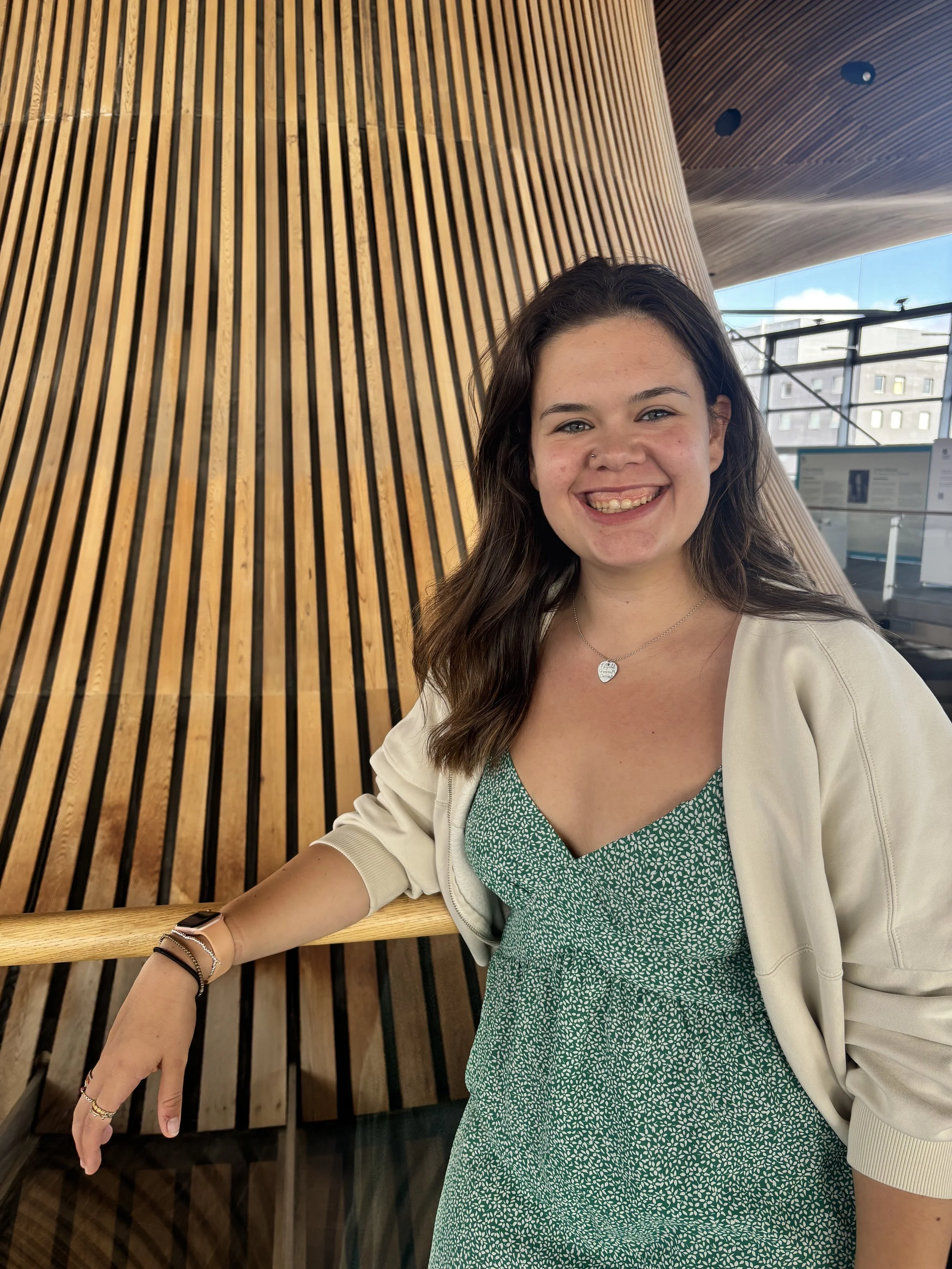
Welsh politics does not usually move quickly. That is why the 2026 Senedd election felt so extraordinary.
A new voting system, an expanded Senedd, the rise of Reform UK, and the dramatic decline of Welsh Labour combined to create one of the most significant political moments in Wales since devolution.
Throughout the campaign, there was a growing sense that something significant was happening. Still, nobody knew quite how big the final outcome would be.
By election night, that uncertainty had created a tense atmosphere inside the leisure centre where I was stationed and, I imagine, in leisure centres across Wales.
Earlier in the year, it was announced that the election count would take place over two days. Verification would be conducted locally within each county before ballot boxes were transferred to central counting locations, where the votes would be counted the following day. While the change was largely administrative, it meant election night would feel very different from previous Senedd elections.
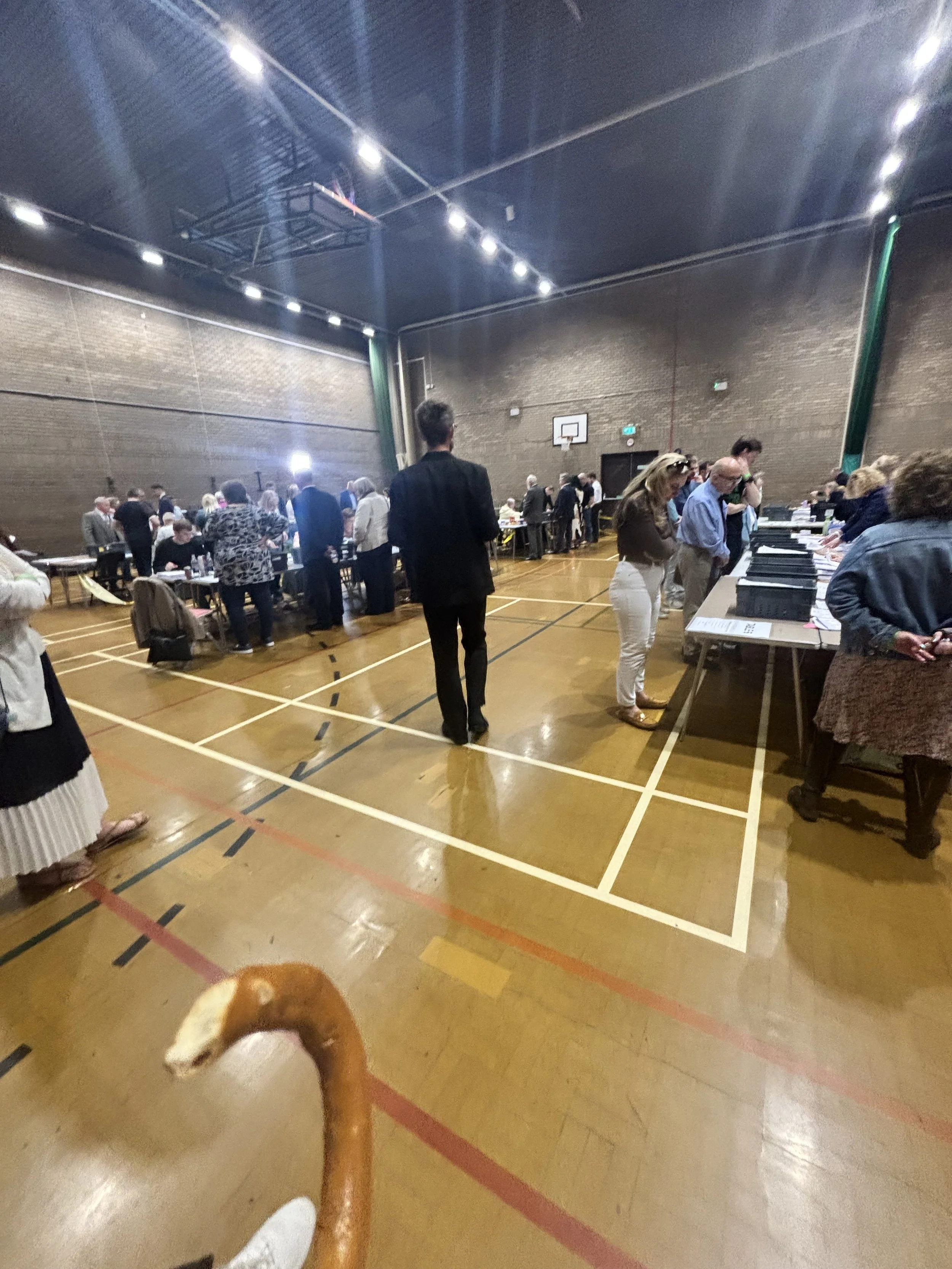
I was assigned to Torfaen Leisure Centre for the verification process. Compared with some of the larger venues across Wales, it felt like one of the quieter centres on the night, with several parties not fielding particularly large teams of representatives. After grabbing a quick nap, refilling my coffee cup, and convincing myself I could function on very little sleep, I arrived shortly after 10pm, ready for what promised to be a long night.
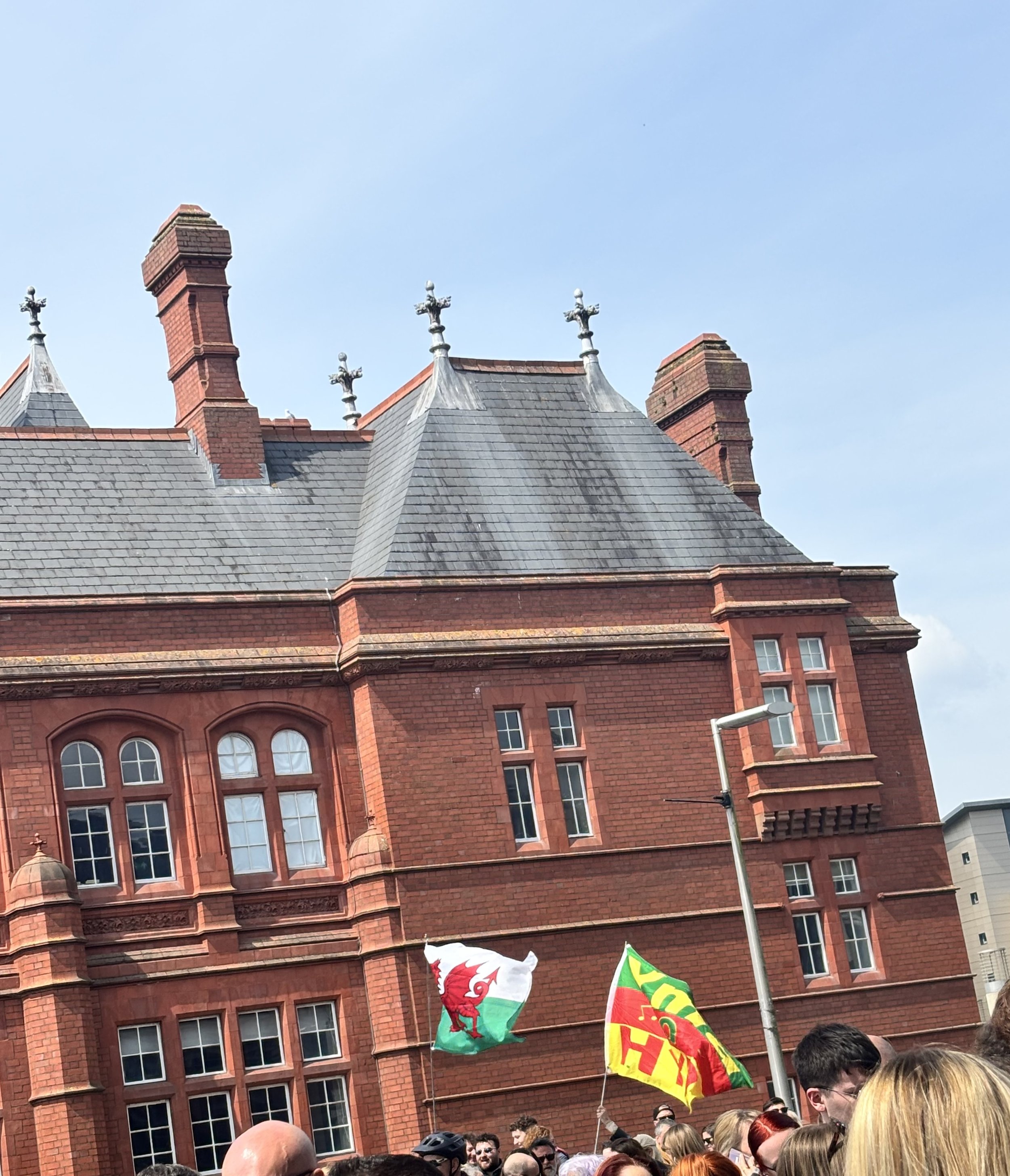
Despite the quieter surroundings, there was still an unmistakable sense of anticipation.
Long before any official results would be declared, candidates, agents and party activists were already trying to answer the same question:
What sort of government would Wales wake up to on Saturday morning?
One of the most important aspects of verification, whether you are a candidate, a candidate guest, or a counting agent, is gathering information. As ballot papers are sorted and verified by ward, party representatives watch closely, making notes and recording what they see. Every party has its own methods, but the objective is the same: to build an early picture of how support is distributed and whether campaign expectations match reality.
To an outside observer, verification might seem like a routine administrative exercise. For those involved in politics, however, it often provides the first glimpse of the election result. As bundles of ballot papers moved across the tables, party representatives studied them carefully, searching for clues about the mood of the electorate. Conversations, calculations and speculation filled the room as people attempted to piece together the emerging picture.
Having worked on election counts before, I expected the usual mixture of anticipation and exhaustion. What felt different this time was the uncertainty and, although I still refused to let myself fully believe it, the possibility of change.
The introduction of a new electoral system meant there were fewer historical comparisons to rely upon. At the same time, opinion polls and conversations on the campaign trail suggested significant shifts could be on the horizon. Nobody seemed entirely confident about what the next 24 hours would bring.
As the verification process drew to a close and preparations began for the main count the following day, the early signs suggested Wales was on the verge of a political realignment. You could see the quiet confidence of some dressed in blue and green, while shoulders visibly slumped among representatives of other parties. The question was no longer whether Welsh politics had changed, but how far that change would go.
After managing around four hours of sleep and surviving primarily on coffee, determination and what can only be described as blind optimism about my energy levels, I arrived at my second leisure centre in 24 hours: Chepstow Leisure Centre. The last time I had been there was for the 2024 General Election count. On that occasion, the atmosphere had been dominated by Labour's victory in Monmouthshire. This constituency had been represented by the Conservatives for many years prior to that election. It was a genuinely historic moment, and as I walked back into the building in 2026, the atmosphere felt strangely familiar. The details were different, but the feeling was the same.
Whispers about political change travelled through the hallways.
Conversations centred on what the final results might mean and whether Wales was witnessing a major shift in its political landscape.
After more than two decades of Labour dominance in Welsh politics, many people felt they might be watching the beginning of a new era.
Unlike the previous evening's verification process, the count itself involved long periods of waiting punctuated by moments of intense interest in the ballots. Candidates, agents and observers spent much of the day watching counters methodically work through thousands of ballot papers. There is something strangely hypnotic about an election count. Hours can pass with little apparent change, yet everyone watches each bundle of papers hoping that they have the results they’re hoping for.
One aspect of election counts that surprised me when I first became involved in politics, but has since become familiar, is just how friendly they are. Political parties may spend weeks campaigning fiercely against one another, debating policy and competing for votes. Still, the atmosphere inside a court is usually remarkably cordial. Throughout the day, I found myself chatting with candidates, activists and agents from across the political spectrum. We disagreed on plenty of issues, of course. Still, we also shared an appreciation for the democratic process and an understanding that everyone present had dedicated an enormous amount of time and effort to reach that point.
If nothing else, sleep deprivation is a great leveller. There is something uniquely bonding about standing in a leisure centre at three o'clock in the afternoon, running on caffeine and adrenaline, trying to remember what day of the week it is while discussing turnout figures with people you spent the previous month campaigning against.
As the count progressed, attention increasingly shifted towards the emerging numbers. Across the hall, candidates and agents were busy updating spreadsheets, exchanging information and trying to calculate what the final outcome might be. Others sat behind laptops ready to input results the moment they were announced, feeding information to party headquarters, journalists and election analysts across Wales.
By late afternoon, the pace began to quicken. Rumours circulated, calculations were revised, and small groups formed around tables as people compared notes. Every new piece of information seemed to generate a fresh round of speculation. Every few hours, heads would gather around a phone as another constituency result was announced from elsewhere in Wales. A ripple would move across the room. Somebody would refresh a spreadsheet. Somebody else would announce a projected seat total. Then, ten minutes later, a completely different rumour would emerge, and the whole process would begin again.
As counting drew to a close, candidates gathered around to hear the final figures. The room, which had been buzzing with conversation for most of the day, seemed to grow quieter. Months of campaigning, countless conversations on doorsteps, thousands of leaflets and endless hours of preparation all came down to a few minutes of announcements.
The results confirmed what many had begun to suspect during verification the previous night. Welsh politics had entered a new phase. The scale of the change varied from place to place, but the broader picture was unmistakable. Traditional assumptions about Welsh electoral politics no longer appeared quite so certain as they once had.
Watching the speeches afterwards filled me with immense pride. Not simply because of the result itself, but because of what it represented. The constituency would be represented by a more politically diverse group of elected members and, perhaps even more significantly, turnout across Wales was rumoured to have exceeded 50%.
When those rumours were later confirmed, and turnout was announced at 51.6, it felt genuinely significant.
For the first time since devolution, Wales had broken through the 50% turnout barrier in a Senedd election.
That mattered.
Whatever your politics, higher participation means more people engaging with Welsh democracy and having their voices heard. In an age when political disengagement is often seen as inevitable, it was encouraging to see so many people choosing to take part.
Looking back, what I will remember most is not necessarily the results themselves, but the atmosphere. From the anticipation of the verification process in Torfaen to the long day of counting in Chepstow, there was a sense that everyone present understood they were witnessing something significant.
The results took longer for me to process than I expected. After stopping at a shop for food on the way home—because it turns out that coffee, biscuits and giant pretzels are not a sustainable nutritional strategy for 48 hours—I finally had a chance to sit down and absorb what had happened.
Then came one of the final constituency declarations: Ceredigion Penfro.
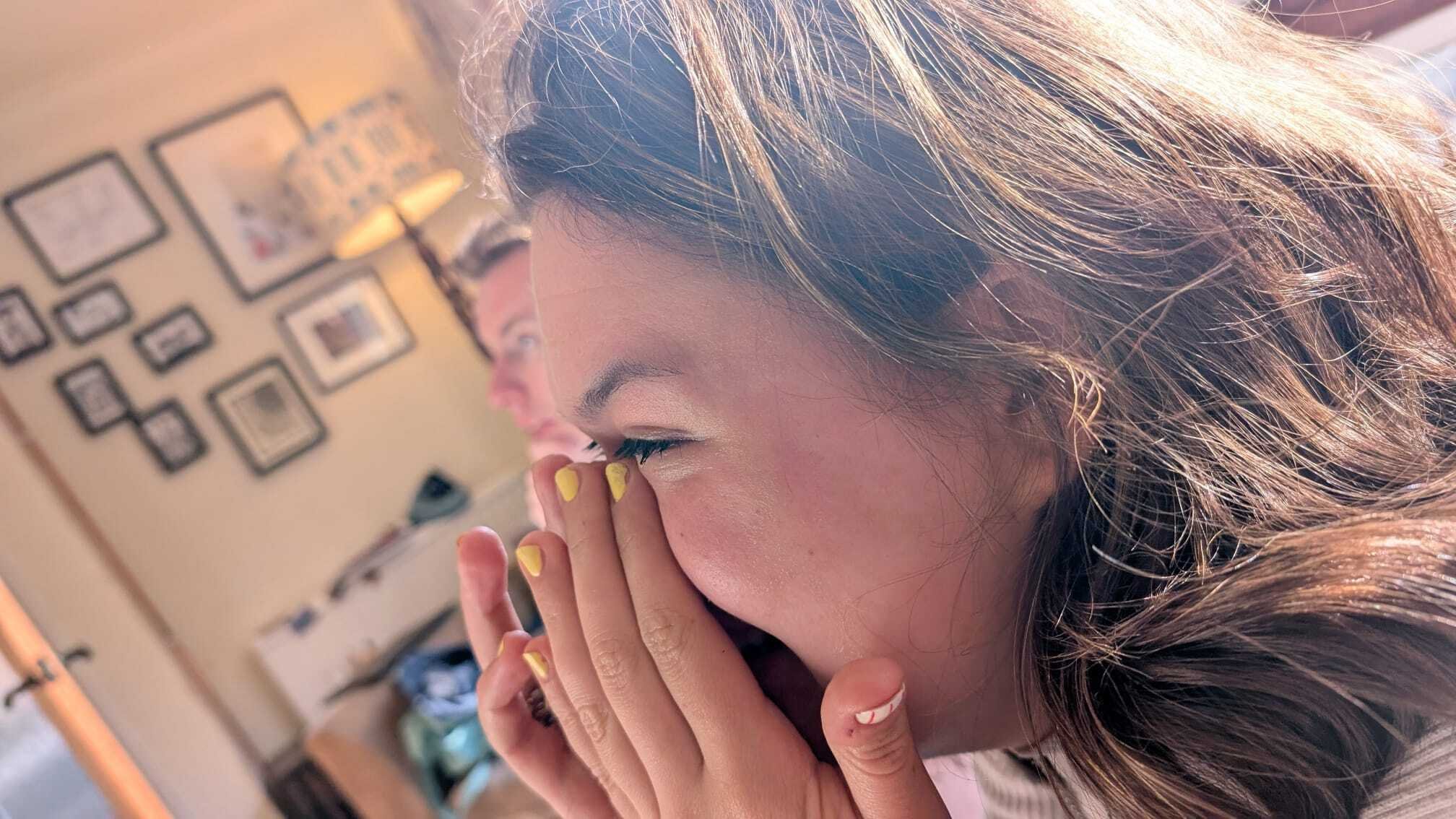
And I cried.
Not because of a single result, but because of everything it represented.
In that moment, I thought about all the time volunteers had given. The late nights spent delivering leaflets. The early mornings. The endless campaign planning sessions. The hundreds of conversations on doorsteps. The people who had sacrificed weekends, evenings and holidays because they believed they could make a difference.
Most of all, I thought about the voters.
People had turned out and placed their trust in something new. They had engaged with Welsh democracy in record numbers.
They had entrusted politicians with the privilege of their vote and, in doing so, had said something remarkably simple:
"Let's see what you can do."
Election counts are often exhausting affairs. They involve little sleep, too much coffee and long periods of standing around waiting for updates. Yet they also provide a unique perspective on democracy in action. Behind every headline result are hundreds of staff volunteers, candidates, agents, and observers working through the night to ensure the process is carried out fairly and accurately.
The 2026 Senedd election will undoubtedly be analysed in the years to come before eventually fading into the background. Political scientists will examine the new voting system, parties will debate campaign strategies, and commentators will discuss what the results mean for Wales's future and then it will be the 2030 election and 2026 will be a hazy memory in Senedd history for many.
For me, this election will always stand out in my memory, filled with moments at two leisure centres, a sleepless night, countless cups of coffee, and all those votes whispering, “Let’s give change a chance.”
Donate today to build women up and improve our politics!
Blog idea or comment piece?
Would you like to contribute to this blog series? We’d love to hear from you. Send us your ideas and let’s chat: community@elect-her.org.uk.