
Young Women, Social Media and Radicalisation: Key Takeaways from the Fawcett Society Conference
By Ella Diamond
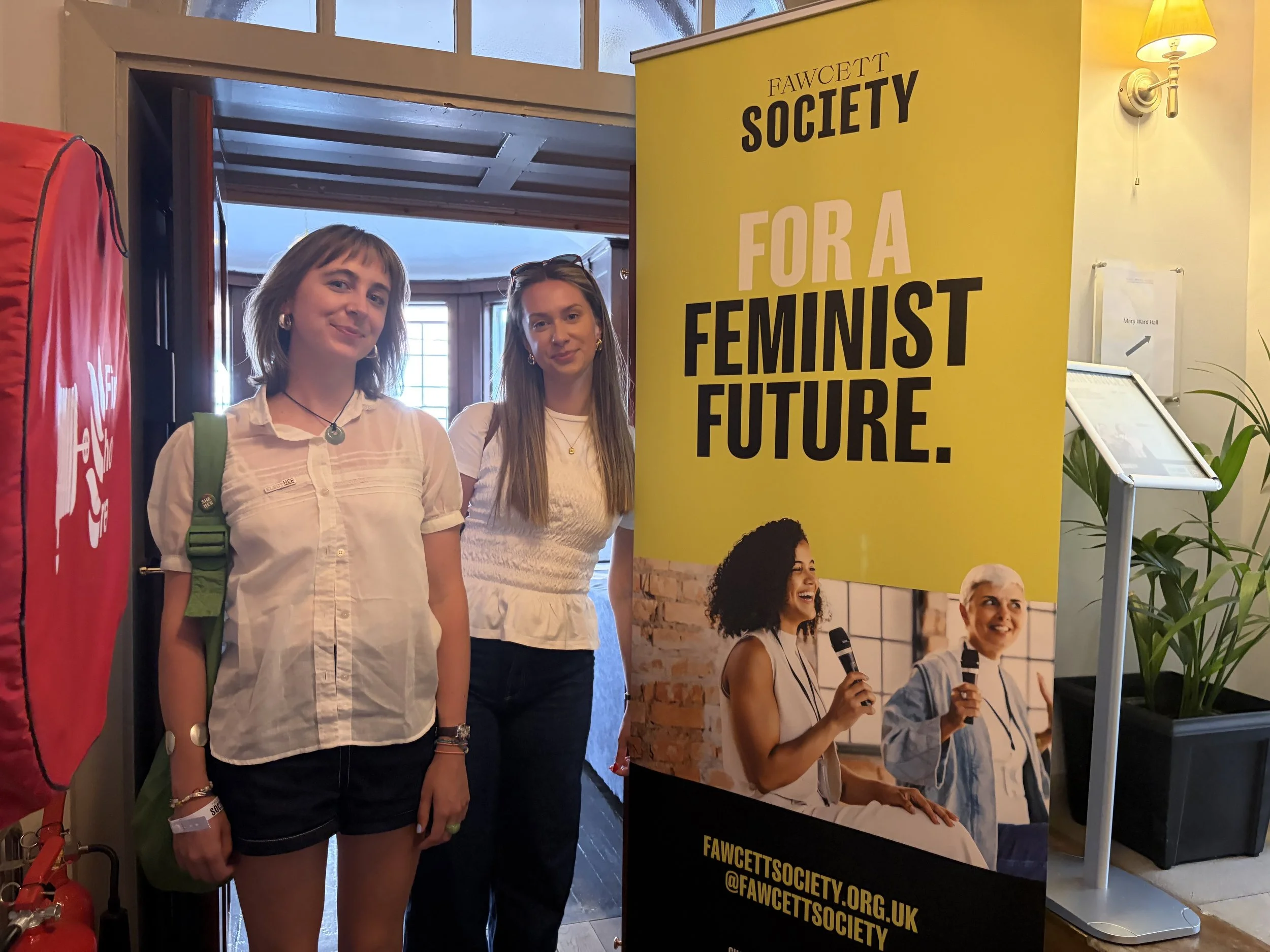
On Saturday, 13 June, Honey and I attended the Fawcett Society's annual conference, at Mary Ward House, in London.
The theme of the 2026 conference was ‘Misogyny Matters’, a topic that was explored through panel discussions featuring CEOs from the women's sector, as well as a series of mini lectures presented by academics throughout the day.
Three sessions really stood out to me: the Young Women's panel, ‘Young Women Speak’, ‘Misogyny as Radicalisation’ and the ‘Misogyny at Home’ panel, all for different reasons.
I particularly enjoyed listening to the young women's panel because I found it deeply relatable. The two speakers, both second year university students, shared their experiences of misogyny in the modern world. Topics ranging from university society culture to the use of social media were discussed.
Having attended a Russell group university myself, many of the stories about university society culture felt familiar. I am fortunate to have attended a university that prioritised preventing and penalising this behaviour (shoutout to my universities FemSoc), but I believe the environment this culture fosters, along with the pressure to show off and one-up peers, is incredibly harmful to young women and should be discussed more widely in debates around misogyny.
The panel also explored how social media can be used as a tool for misogyny. As of the day I am writing this blog, the government has proposed a social media ban for under 16s to help prevent exploitation, hopefully including misogynistic abuse. The speakers discussed how they had received unsolicited images and unwanted attention on social media platforms, as well as how social media can act as a breeding ground for misogynistic behaviour within university sports societies.
Ultimately, I loved this panel because it gave young women a voice in the fight against misogyny. As a young woman myself, it can sometimes feel as though others are determining and writing our own narrative. Opportunities to speak at conferences like this allow young women to be heard and taken seriously.
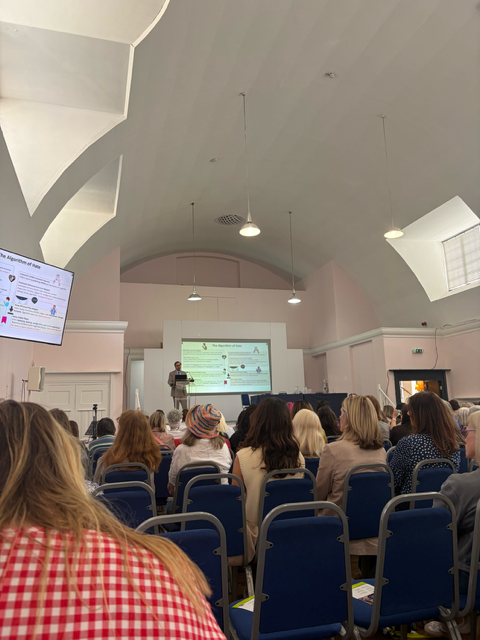
Three sessions really stood out to me: the Young Women's panel, ‘Young Women Speak’, ‘Misogyny as Radicalisation’ and the ‘Misogyny at Home’ panel, all for different reasons!
After my event last Tuesday (read my last blog if you have the time), I have grown to love panel discussions because I believe they create the perfect environment for both meaningful discussion and debate. The Misogyny at Home panel examined how women can experience control within the home, from coercive practices to financial control, leaving many women trapped in abusive situations. I particularly enjoyed this panel because of its focus on intersectionality. It felt as though all women's issues were treated with equal importance, while also highlighting the unique challenges faced by women from ethnic minority backgrounds.
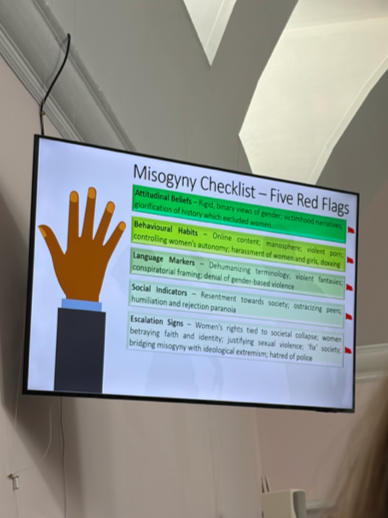
The highlight of the day for me was Dr Sajjan Gohel's lecture on Misogyny as Radicalisation and the connection between misogyny and terrorism.
This lecture was incredibly eye opening, as I had never fully appreciated the link between the two.
Dr Gohel explored the darker side of the manosphere and how it can cause widespread harm to society. He explained that the growth of the digital age, particularly social media, has created new pathways for radicalisation through violent pornography, online forums and gaming servers, resulting in young boys being drawn into harmful ideologies.
Ultimately, it could be argued that a common theme across all three sessions was the discussion of the harm caused by social media. Social media is undoubtedly an important tool for communication, creativity and entertainment, but the line is becoming increasingly blurred regarding what is appropriate and who should have access to certain content.
I would like to thank the Fawcett Society for organising such a thought provoking and engaging event on Saturday.
Donate today to build women up and improve our politics!
Blog idea or comment piece?
Would you like to contribute to this blog series? We’d love to hear from you. Send us your ideas and let’s chat: community@elect-her.org.uk.