
I didn't grow up seeing people like me in politics, so I joined in.
By Wing Tsang
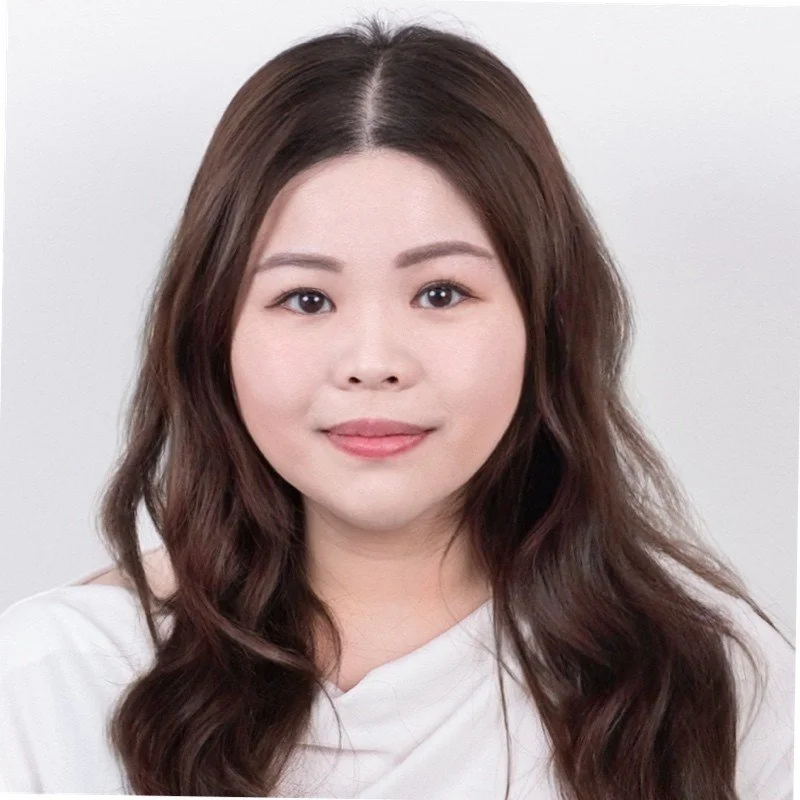
I am a British-born Chinese woman. I have lived in Milton Keynes my whole life.
I grew up here.
I went to school here.
This city is mine.
And for most of my life, I never once saw anyone who looked like me representing it.
In 2007, I joined the student council at my local college. I was seventeen. I didn't overthink it. I knew it was about being a voice for students. That felt like enough, not politics. Not representation. Not any grand ambition.
I just thought, it would be nice to be that voice. I stayed for a year. Then life moved on, and so did I. For a long time, that's where the story might have ended.
A customer, then a friend, then a door left open.
I didn't choose politics. Politics found me, quietly and gradually, through ordinary moments I didn't recognise as significant until much later.
In 2018, I had a conversation about a local issue with a councillor who also happened to be a customer of my parents. His name was Paul Trendall.
He spoke about the area I'd grown up in like it mattered. Like the decisions being made about it mattered. Something in that landed differently than I expected, though I still didn't think “this is for me.”
The following year, another councillor, Uroy Clarke, left his number with my parents. A small gesture. I noted it but I obviously didn't act on it. My thoughts were – “this isn’t for me, I am not ready.”
It was in 2020, when I volunteered on a local campaign, that something actually shifted. I started to understand what local government could do and what it failed to do when the wrong people were missing from the room. That realisation came slowly, and then all at once.
By early 2025, after conversations with fellow Councillor Nana Ama Ofori-Atta and Councillor Sam Crooks, former Mayor of Milton Keynes, I stopped asking whether politics was for me and started asking why I'd ever believed it wasn't.
That year, I renewed my membership with the Liberal Democrats.
In 2026, I watched my friend Paul Trendall become Mayor of Milton Keynes. The man whose conversation had first made politics feel real to me was now leading the city.
I realised I had been moving towards this for years; I just hadn't been ready to see it.
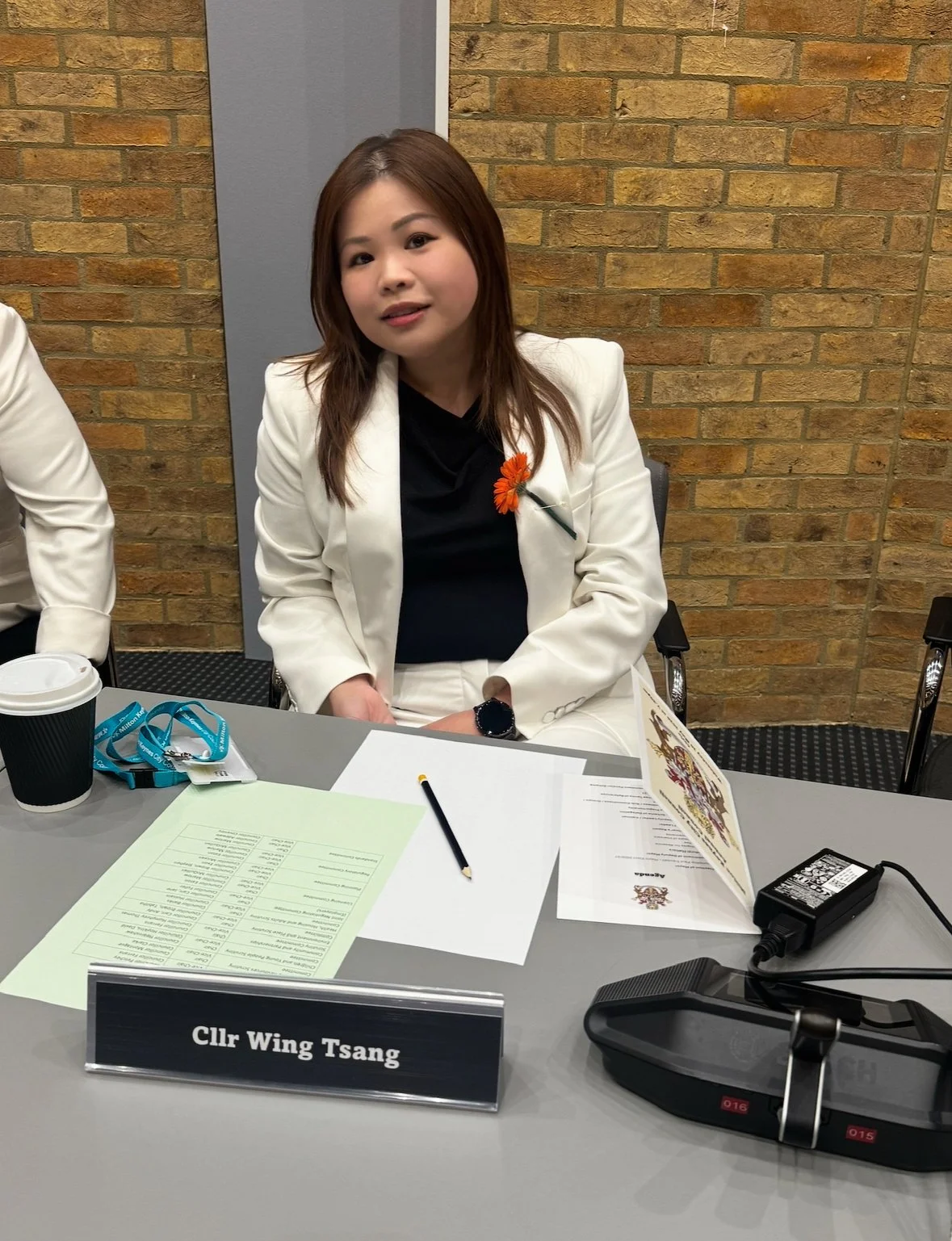
A growing city with a missing voice…
By 2050, the City Council projects that figure will reach 410,000. Milton Keynes is a city of communities.
Milton Keynes is one of the fastest-growing cities in England. According to the 2021 census, its population stood at just over 287,000 - up 15% in a single decade, more than double the national average growth rate. By 2050, the City Council projects that figure will reach 410,000. Milton Keynes is a city of communities. People who came from across the world, built businesses, raised families, and planted roots.
In the May 2026 local elections, a record 310 candidates stood for 60 council seats across 21 wards - a historic moment that reflected just how much this city has grown, and how many people now want a say in how it is run. And yet, in all that time, I had never seen a Chinese councillor representing this city. Not even one. That absence is worth sitting with, not with anger, but with a genuine question.
Milton Keynes has a significant and growing British Chinese community. British Chinese people are woven into the fabric of this city, whether its restaurants, its businesses, its schools, its NHS wards. We are here, and we have always been. So why, in a city growing this fast and this diversely, has no one who looks like me ever sat on that council? I don't ask that to point fingers. I ask it because I think the answer reveals something important about who gets told - explicitly or implicitly - that politics is their domain.
The readiness myth
Here is the thing nobody tells you: there is no moment when you will feel completely ready.
Here is the thing nobody tells you: there is no moment when you will feel completely ready.
Women, and particularly women from minority backgrounds, tend to wait. We wait until we know enough, have done enough, are experienced enough. We raise the bar on ourselves quietly and repeatedly, and we call it being responsible. Meanwhile, others simply put their hand up.
I waited fifteen years between that student council and taking my first real step. Some of that time was necessary thought. I was learning, watching, building relationships. But some of it was the comfortable story I told myself about why it wasn't quite time yet.
What changed wasn't that I suddenly felt ready. What changed was that I stopped believing readiness was the point.
What I found when I got in the room
I won't pretend the door swings open effortlessly!
There are assumptions to navigate about who belongs, about what a politician is supposed to look like, about whether your perspective is "relevant" or "too niche." You will encounter these, they are real. But I also found things I didn't expect. There are people who were genuinely glad I was there.
Conversations that only became possible because I was in the room. Issues that got raised and heard because someone with my background and experience was present to raise them. Representation is not just symbolic. It changes what gets discussed, what gets prioritised, and who feels seen by the decisions that are made. A council that looks more like its city makes better decisions for its city. That is not idealism, that is just how accountability works.
The weight nobody names
There is something specific to the British Chinese experience that I want to name here, because I rarely see it written down. My parents started their catering business in the late 1980s. They had arrived in a new country, with a new language, and they did what so many families do: they put their heads down and they worked. Six days a week, sometimes seven. Long hours, hard physical labour, zero time for a personal life - cooking for other people's families when they could have been sitting down with their own. I grew up watching that. I grew up understanding, even as a child, that the sacrifice was for me. That every long shift, every missed evening, every meal cooked for someone else's children was an act of love in a language that didn't need words. But I also grew up absorbing something else: the importance of not making noise.
Don't attract attention. Don't cause trouble. Keep your head down, work hard, and hope that is enough to keep you going and safe.
In a new country, with a new language, that is not timidity. That is survival. It is a strategy that has protected Chinese families in Britain for generations, and I will not diminish it.
But I want to be honest about what it means when you carry that into adulthood. Stepping into public life - putting your name on a ballot, asking people to listen to you feels like the direct opposite of everything you watched your parents do. It feels like exposure, or dare I say - disruption. Like drawing exactly the kind of attention you were taught to avoid. And if you are a daughter raised between two cultures, hoping to honour both, trying to work out which parts of each you are allowed to keep - that weight is heavier still.
I am not saying my parents were wrong. I am saying the instinct they passed on was never designed with my leadership in mind. And at some point, I had to decide that speaking up was not a betrayal of where I came from.
It was, in its own way, the same act they had always been making - doing something hard, in public, for the people who come after you.
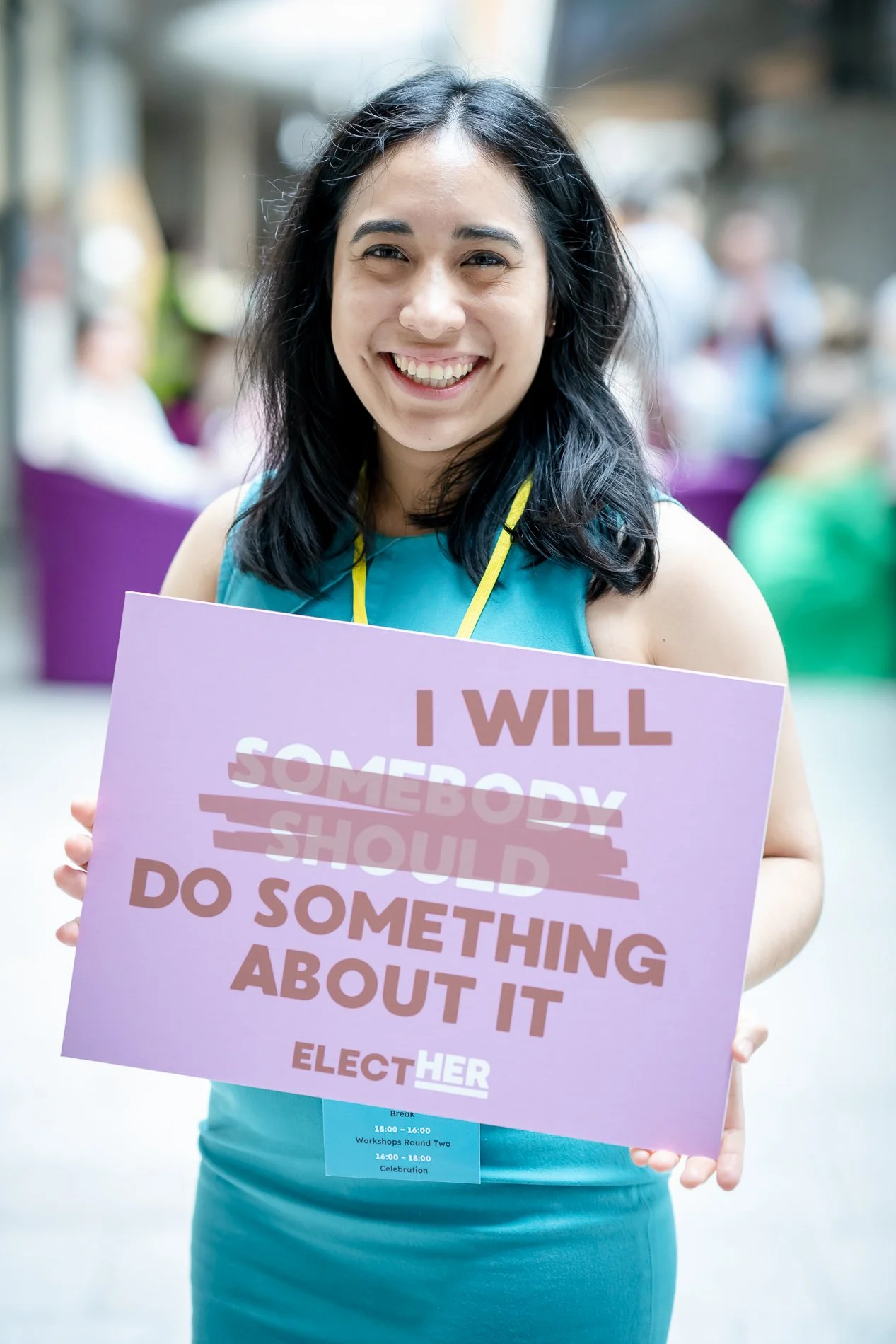
Now it's your turn
If any part of this story sounds familiar - the long wait, the feeling that politics belongs to someone else, the sense of not quite seeing yourself in the room - I want you to know that the door is more open than it looks.
Now it's your turn!
You don't need a perfect background or a perfectly timed moment. You need to start somewhere, even if that somewhere is just a conversation. Here is where to begin:
Join the Elect Her community – it is a network of women across Britain taking their first and next steps into public life, with resources, events, and support at every stage of the journey - https://www.elect-her.org.uk/
Wherever you are, think about your council seat - Milton Keynes now has 60 seats. A record number of people stood in 2026. Who will be sitting in the seats in your local council? Could it be you?
Connect with me - if you are a woman from MK, or from a British-Chinese or East Asian background anywhere in Britain, and you are curious about what this journey looks like, I would genuinely love to hear from you. My city is growing. My council is expanding. The conversation is already happening. The only thing still missing is you.
The End
Wing Tsang is a member of the Liberal Democrats in Milton Keynes and an elected councillor in Milton Keynes City. She stood for council in 2026 and won first time.
Donate today to build women up and improve our politics!
Blog idea or comment piece?
Would you like to contribute to this blog series? We’d love to hear from you. Send us your ideas and let’s chat: community@elect-her.org.uk.