
Democracy Doesn't Begin at the Ballot Box
By Elect Her
We work with women who care deeply about their communities and want to make a difference through politics.
We also hear, time and again, about the barriers that make that journey harder than it should be.
That's why we were pleased to submit evidence to the Housing, Communities and Local Government Committee's inquiry into modernising elections, and why we're delighted that our evidence has now been accepted and published as part of the inquiry.
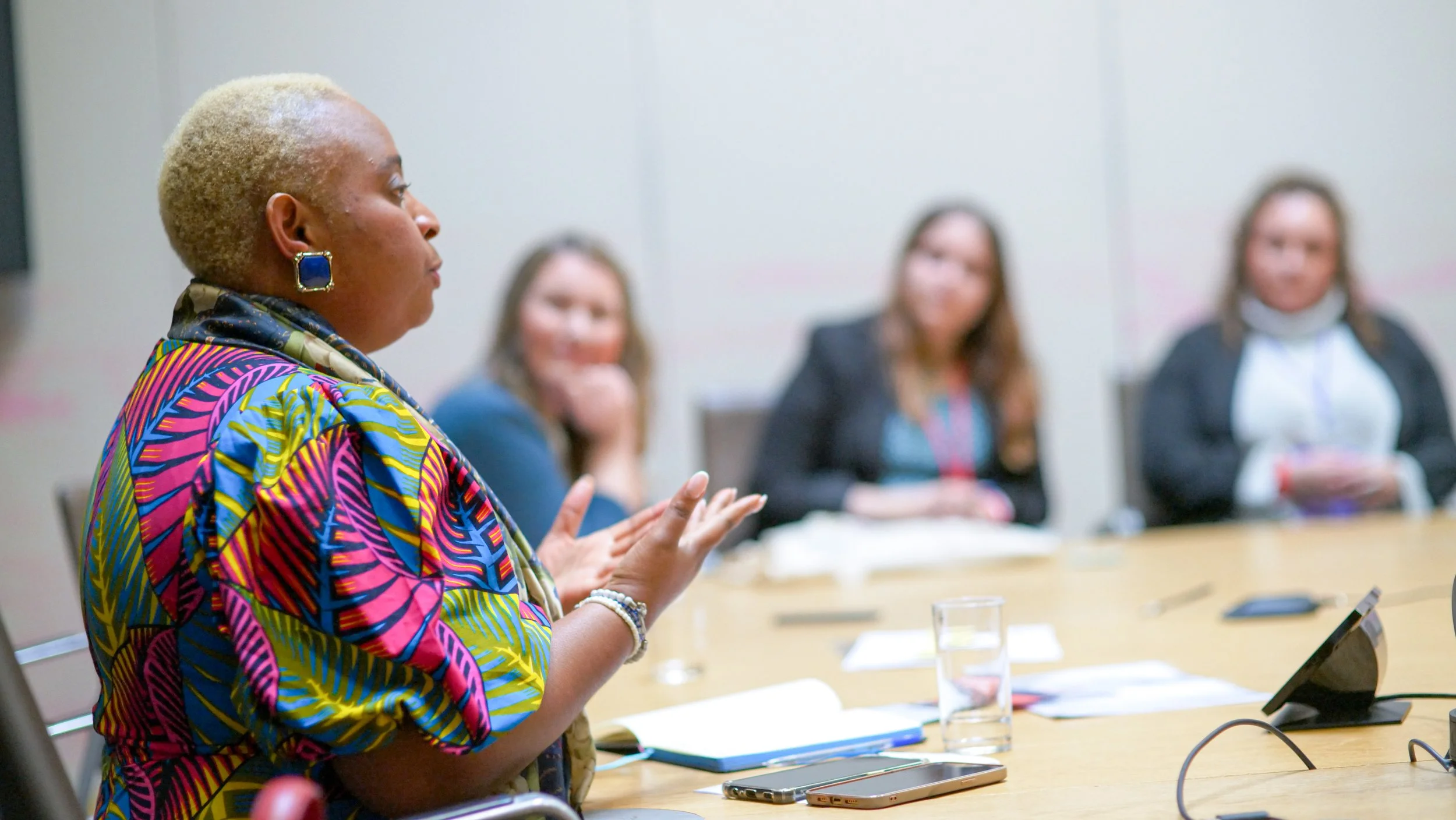
Democracy Doesn't Begin at the Ballot Box
The inquiry is looking at some of the biggest questions facing our democracy today: how we increase participation, rebuild trust in democratic institutions, tackle misinformation, and ensure our electoral system is fit for the future.
These conversations matter.
But our evidence was grounded in a simple belief: democracy doesn't begin at the ballot box.
Long before someone casts a vote, they need to feel that politics is a place where they belong. Long before someone stands for office, they need pathways that are accessible, transparent and fair. And long before trust can be rebuilt, people need to see themselves reflected in the institutions that represent them.
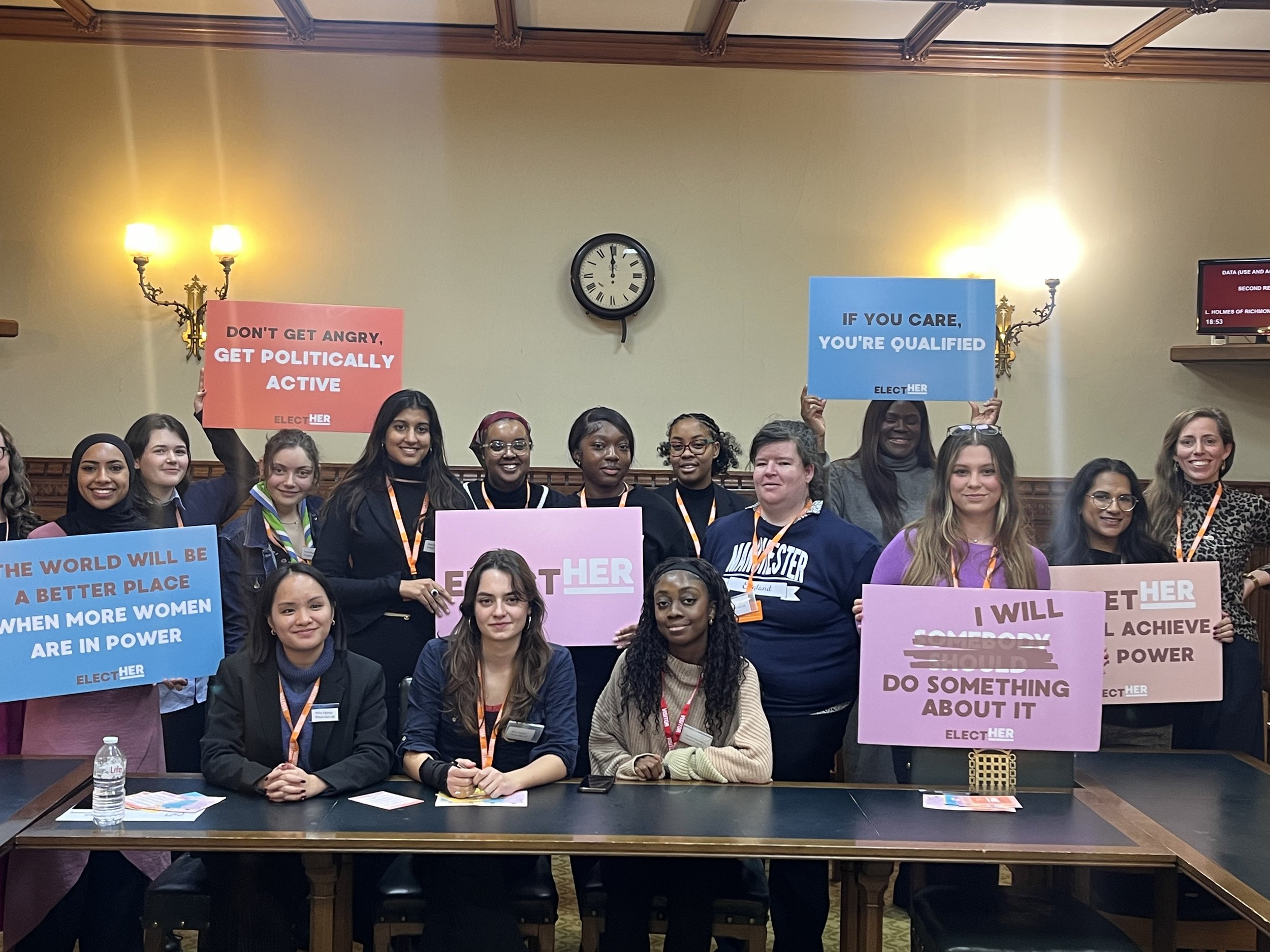
Democracy Works Best When Everyone Can See Themselves In It
At Elect Her, we believe democracy is stronger when it reflects the people it serves.
Yet too many people still struggle to see themselves represented in politics. Women remain underrepresented at every level of elected office, particularly women from minoritised backgrounds, disabled women and working-class women. Progress has been made, but it has been slow, uneven and, in some places, has started to move backwards.
The women we work with are ambitious, capable and committed to public service. What often stands in their way is not a lack of talent or determination, but systems and structures that were never designed with them in mind.
When politics feels inaccessible, unwelcoming or unsafe, it is hardly surprising that many people choose not to participate.
That matters because representation is not simply about who occupies seats around a table. It is about whose experiences are heard, whose voices shape decisions, and whether people feel that democracy belongs to them.
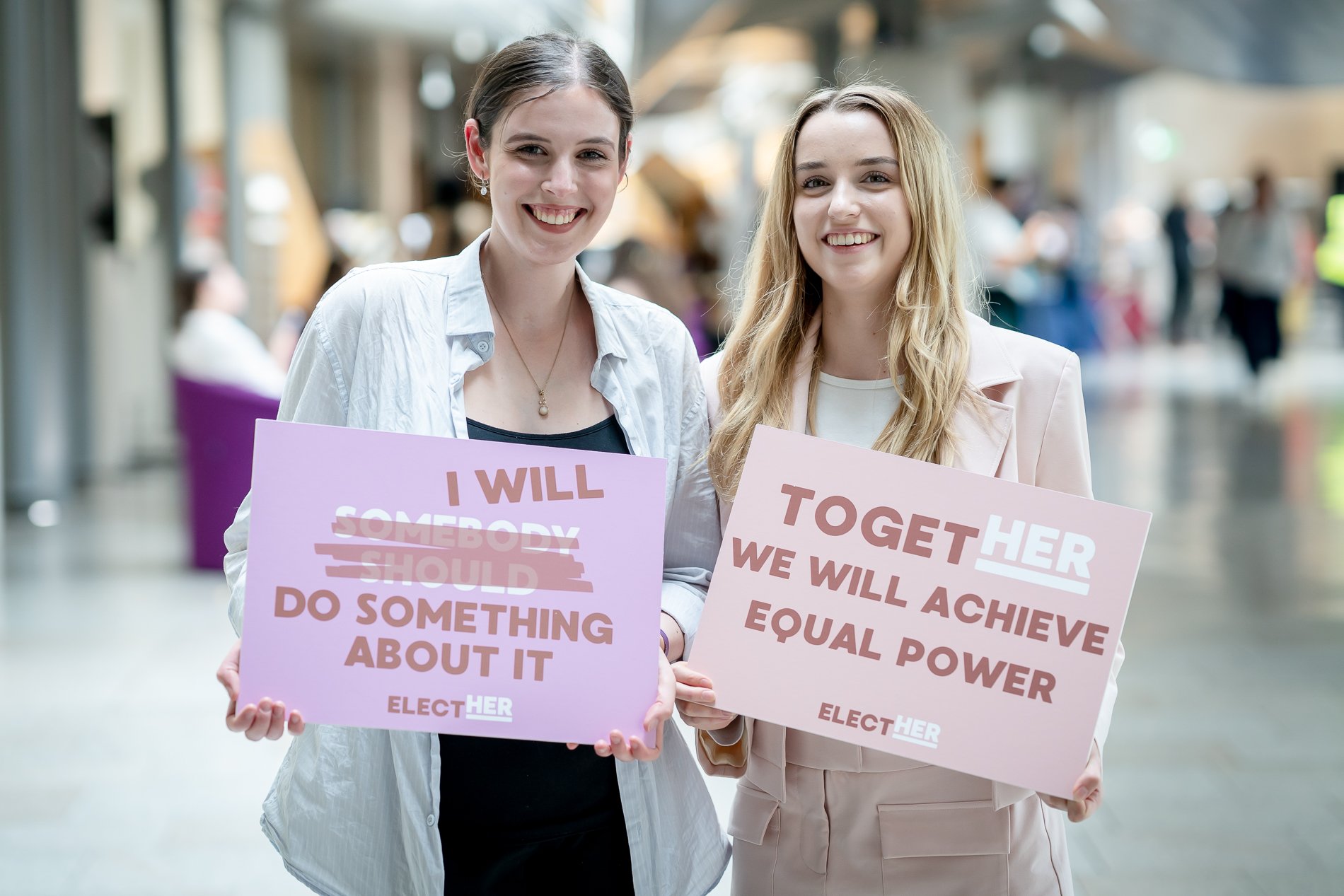
Why We Submitted Evidence
The Committee's inquiry is exploring how to strengthen democratic engagement at a time when trust in institutions is under pressure and voter participation remains a challenge.
Our evidence sought to bring an important perspective to that discussion: that engagement and representation cannot be separated.
When people don't see themselves reflected in political institutions, when pathways into politics feel closed off, or when participation comes with a significant personal cost, disengagement can become a rational response.
If we want more people to believe in democracy, we need to make sure more people can genuinely participate in it.
That means looking beyond the ballot box and asking bigger questions about access, inclusion and power.
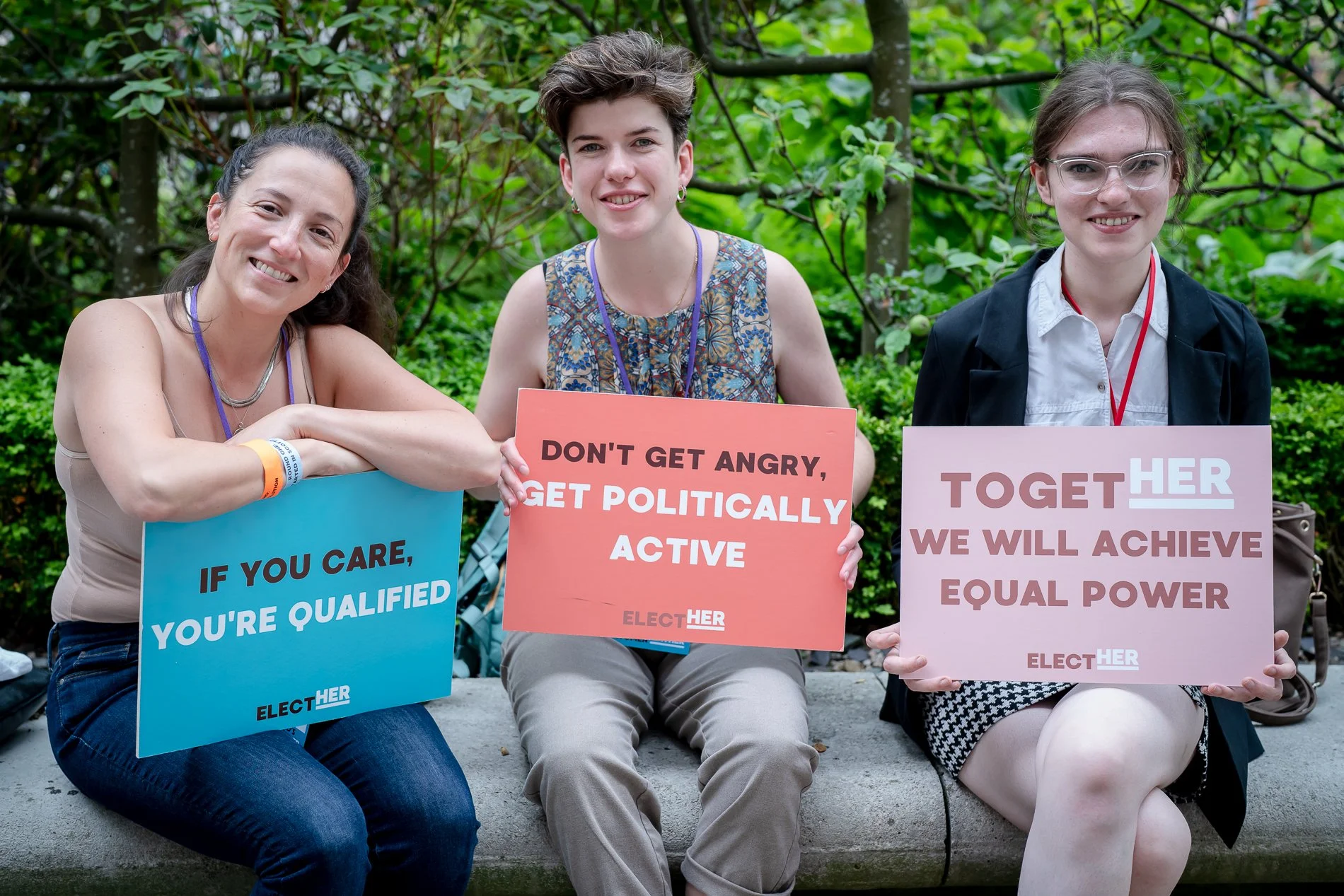
The Changes We Believe Matter
Through our Fix the System work, we have spent years listening to elected representatives, candidates, researchers, political parties and civil society organisations about the barriers that continue to shape political participation.
Our evidence reflects that learning.
We highlighted a number of changes that could help make politics more accessible, transparent and representative - from greater transparency in candidate selection processes and better diversity data, to stronger protections against abuse and better support for people seeking elected office.
These recommendations are not simply about increasing numbers.
They are about creating a political system where participation is fairer, more accessible and more sustainable for everyone.
Modernising Elections Means Creating Safer Participation
One issue we felt particularly strongly about was the impact of online abuse, misinformation and disinformation.
Too often, conversations about online harms focus solely on their impact on voters. But we know they also affect candidates and elected representatives.
Women in public life, especially women from minoritised communities, continue to face disproportionate levels of abuse, harassment and targeted misinformation online. For some, this becomes a deciding factor in whether they stand for election at all. For others, it shapes how they participate once they are there.
No one should have to choose between public service and their safety.
A healthy democracy depends on people being able to participate without fear of abuse and intimidation.
Participation Starts Long Before Polling Day
At Elect Her, our vision has always been simple: politics should be open to everyone.
Not because representation is a nice-to-have, but because our democracy is stronger when people from different backgrounds, experiences and communities are able to shape it.
This inquiry offers an important opportunity to think differently about democratic participation. If we want to increase engagement, rebuild trust and strengthen our institutions, we cannot focus solely on what happens on election day.
We must also look at who feels able to step forward, whose voices are heard, and what barriers continue to prevent people from participating fully in political life.
Because democracy doesn't begin at the ballot box.
It begins much earlier - with whether people can see a place for themselves in politics, whether they feel their voice matters, and whether the system gives them a fair opportunity to take part.
That's the conversation we wanted to bring to this inquiry, and it's one we'll continue to champion through our work every day.
Donate today to build women up and improve our politics!
Blog idea or comment piece?
Would you like to contribute to this blog series? We’d love to hear from you. Send us your ideas and let’s chat: community@elect-her.org.uk.