
Courage Should Not Be the Price of Entry
By Hannah Stevens
Our democracy is a precious, hard-won thing. This week, it feels fragile.
Ann Widdecombe's death has shaken public life in this country. There is much that is not yet known, and it is not for us to speculate. Our thoughts are with her family and her friends, and with all those in public life for whom this news landed heavily.
Because it did land heavily. However this investigation concludes, the fear it has stirred is real - and it reaches far beyond Westminster. It is felt in town halls and council chambers, in the Senedd and at Holyrood, by mayors and by parish councillors, and by every person currently weighing up whether to put their name forward at all, particularly women and especially those from a minority. Ann spent a lifetime in public saying exactly what she thought. A public square where everyone is free to do the same, without fear, is something worth defending — and right now, too many people in public life do not feel that freedom.
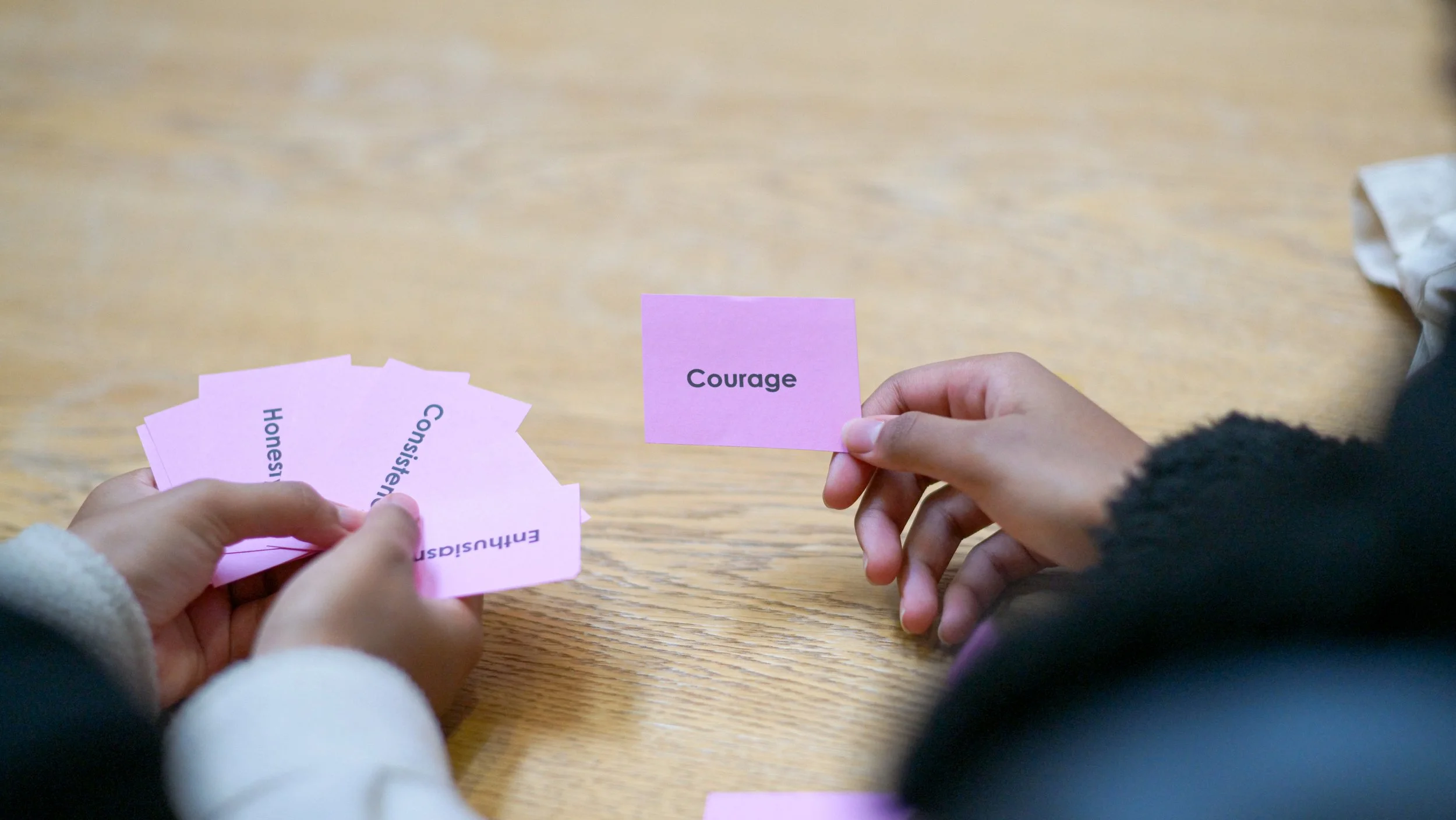
What our community already knows
For the women we work with - at every level of government - this week's sadness lands on top of something they already carry.
When we speak to women who are thinking about standing, whether for their parish council or their national parliament, safety comes up before almost anything else. Not "can I win?" but "will I be safe? Will my children be safe?” and “How do I handle the abuse? How do I manage the onslaught?”
These are not hypothetical worries. Women in our community who have stood, and who now serve - as community councillors, as local councillors, as Members of the Senedd, MSPs and MPs - tell us about the abuse that arrives daily through their screens. About hardening their homes. About varying their routes. About the surgeries they now think twice about. And it is not only women: men in elected office tell us the same stories, and they worry for their families too. But we know the abuse is not evenly distributed. The evidence is stark: Amnesty International found that Black and Asian women MPs received 35% more abusive tweets than white women MPs, and its Troll Patrol research found Black women were 84% more likely than white women to be mentioned in abusive or problematic tweets.
Abuse concentrates on women, and it concentrates hardest on the women already most under-represented.
And you do not have to take our word for it. When the Electoral Commission surveyed candidates after the May 2024 elections in England, 43% reported experiencing abuse or intimidation - and the gendered pattern was unmistakable: 56% of women candidates avoided campaigning alone, compared with 19% of men, and almost half of women avoided speaking on controversial topics out of fear for their safety. The Jo Cox Civility Commission found that 43% of Welsh MPs and Members of the Senedd have received death threats, and that almost nine in ten female MSPs have feared for their safety since being elected. This is every nation, and every level, of our democracy.
Nor does it stop at the most visible tiers of politics. The Local Government Association’s (LGA) Debate Not Hate research found that 81% of councillors experienced abuse or intimidation in the past year, and that more than eight in ten now feel at risk at least some of the time simply doing their role. Our colleagues at the LGIU tell us they are hearing stories of parish councillors - parish councillors - receiving death threats. People who volunteered to look after playgrounds, planning applications and community halls. It is endemic, frankly, and the online abuse sits at the heart of it. What begins as a pile-on in a Facebook group does not always stay online.
This is the pipeline problem nobody puts on a graph. Every woman who looks at public life - at any level - and quietly decides "not for me, not for my family" is a loss our democracy never gets to count.
This is not about individual resilience. It is about systemic design.
We will keep supporting women to protect themselves - our free Digital Self Defence training, built with Glitch, helps women at every stage of their political journey build their digital safety and self-care, and we would encourage every woman engaging in public life to take it.
But let us be honest about what training can and cannot do. We should not be asking women to armour themselves ever more heavily to enter buildings that were never made safe. The responsibility for safety in public life belongs to every part of the system - to parties, to platforms, to councils, and to all of our parliaments and governments.
We have listened over years to our community, to their experiences, to their needs. That is why safety runs through the amendments we, alongside our partner organisations, have been championing for the Representation of the People Bill. When we set them out, we said the Bill widens the door to democracy but does not yet redesign the building - this is our opportunity to make them systemic. Recent weeks have made something painfully clear: it is not enough for the building to be open and fair. It must be safe.
Look at these collective asks through the needs of our community, through the light they shine on our political world -
An Elections Code of Practice under the Online Safety Act, so that the platforms where abuse festers are finally accountable during the highest-risk moments of our democratic life.
Codes of conduct and independent complaints mechanisms within parties, so that harassment inside politics has somewhere to go other than a quiet word and a closed door.
Structured induction for newly elected representatives, so that no new councillor, Senedd Member, MSP or MP is left to face threats alone and unprepared. We are already working with a number of institutions to deliver this, but putting it on a statutory basis would provide consistency.
Transparency and data, so we can actually see who is being driven out and why.
Each of these has a part to play in creating a better, more understood and safer politics.
We believe the mood music is changing. Across Parliament and beyond, there is a new urgency in conversations about the safety and security of candidates and elected members at every level. The Home Secretary put it plainly: politics is a calling, but it should not be a dangerous one. We agree - and we will keep making the case that the amendments on the table, including those previously ruled out of scope, are precisely the kind of practical, proportionate measures this moment demands. It is why, this week, we joined our partners in the Women's Democracy Group in writing to Andy Burnham, making the case that a safe and respectful politics must be the starting point of any programme of democratic renewal. Safety is not a side issue to democratic reform. It is the foundation of it.
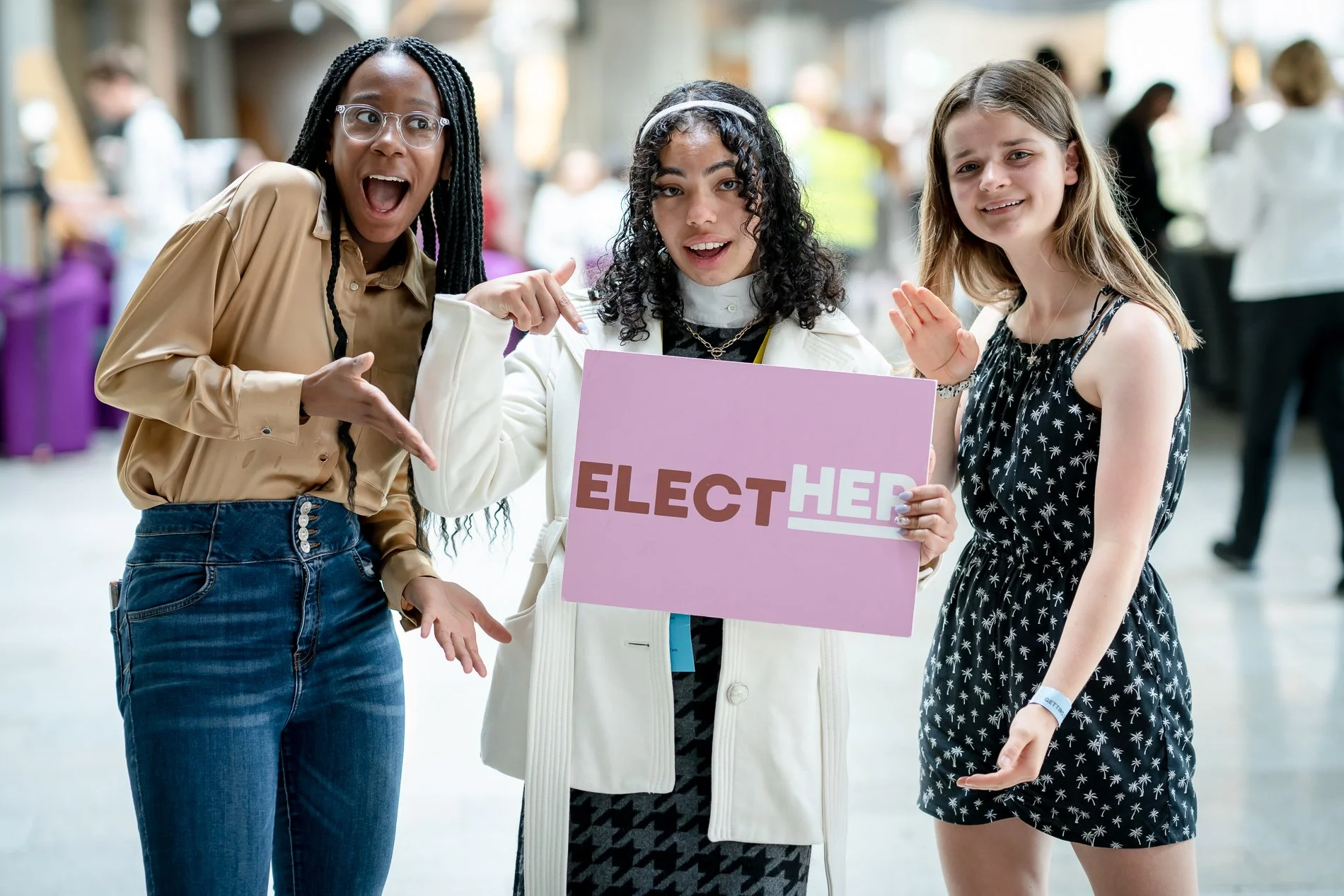
Hold the door open
Here is what gives me hope - and there is more of it than a week like this might suggest.
Even now, women keep stepping forward. They stood in their hundreds at this year's elections - for local councils, for the Senedd and for Holyrood - from the Elect Her community and far beyond. They keep choosing to serve, knowing the risks, because they believe their communities deserve better. And when they arrive, they make things better: the evidence tells us that when women are elected, trust in politics improves and democracy gets stronger. The bravest response to those who want to frighten people out of public life is more good people walking in - and every week, in every corner of the country, they are.
Change is coming, too. The conversations now happening in Parliament, in parties and in councils - about safety, about respect, about who politics is for - would have been hard to imagine even a few years ago. In 2028 we will mark one hundred years of equal franchise, and the women who won that fight left us something worth holding onto: our democracy has opened up before, because people insisted that it must. It can, and it will, again.
Our job - all of ours - is to make sure courage is not the price of entry.
So if you are a woman anywhere on your political journey, take our Digital Self Defence training, and join our community - you do not have to navigate any of this alone. If you are a woman already in elected office, our coaching is there to support you through the realities of the role. And if you are a parliamentarian, we would ask you to please back the amendments to the Representation of the People Bill that put safety at the heart of our elections.
Because democracy does not strengthen itself. It is strengthened by people - by every woman who stands, serves and stays. Our promise to them, and to the women who will follow, is that we will keep working until they can do so safely.
And we make that promise with hope, not despair - because every day, in our community and far beyond it, we watch women building the politics this country deserves: kinder, safer, and more representative than the one they found.
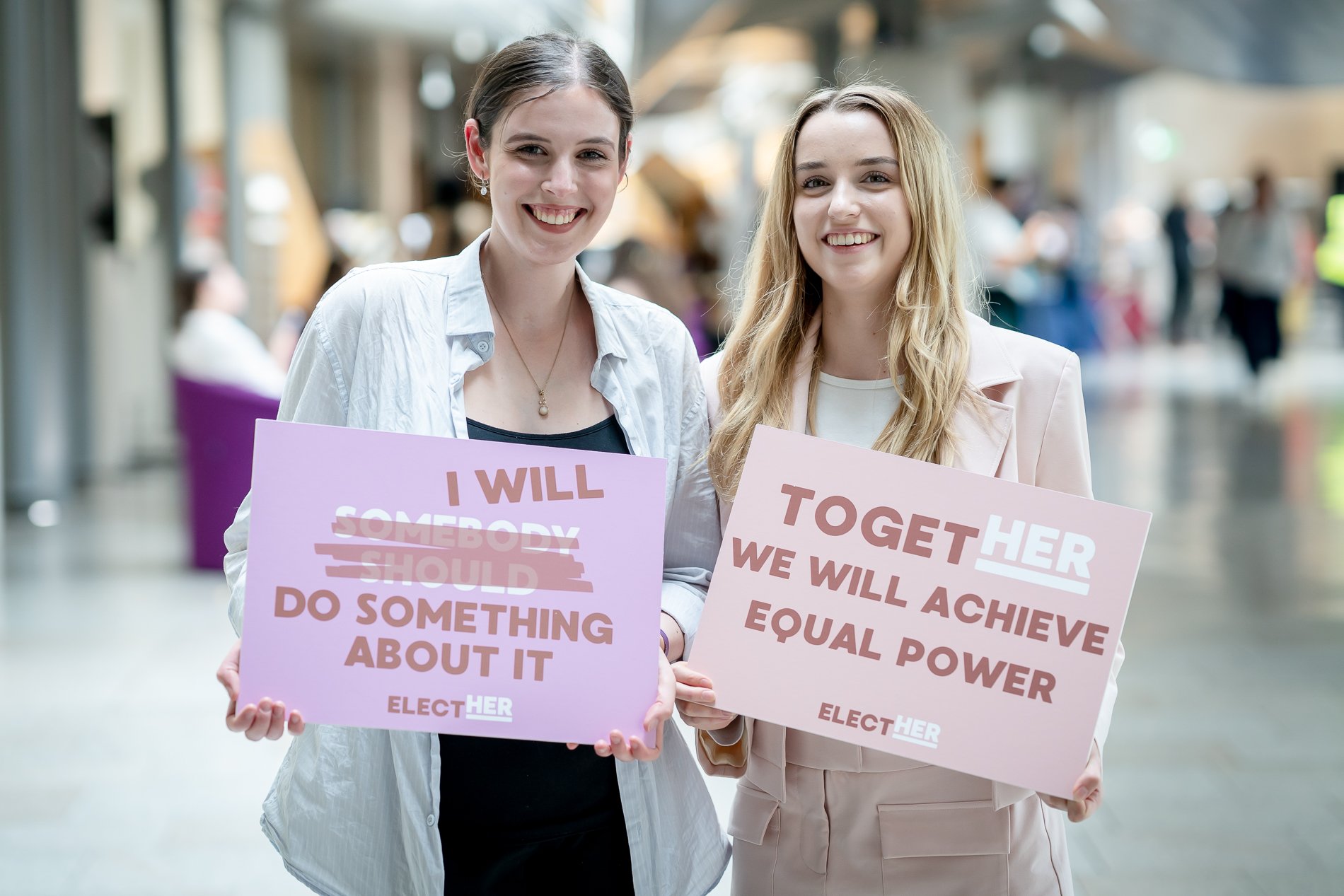
Donate today to build women up and improve our politics!
Blog idea or comment piece?
Would you like to contribute to this blog series? We’d love to hear from you. Send us your ideas and let’s chat: community@elect-her.org.uk