
What living in London for the first time has taught me about accessing politics
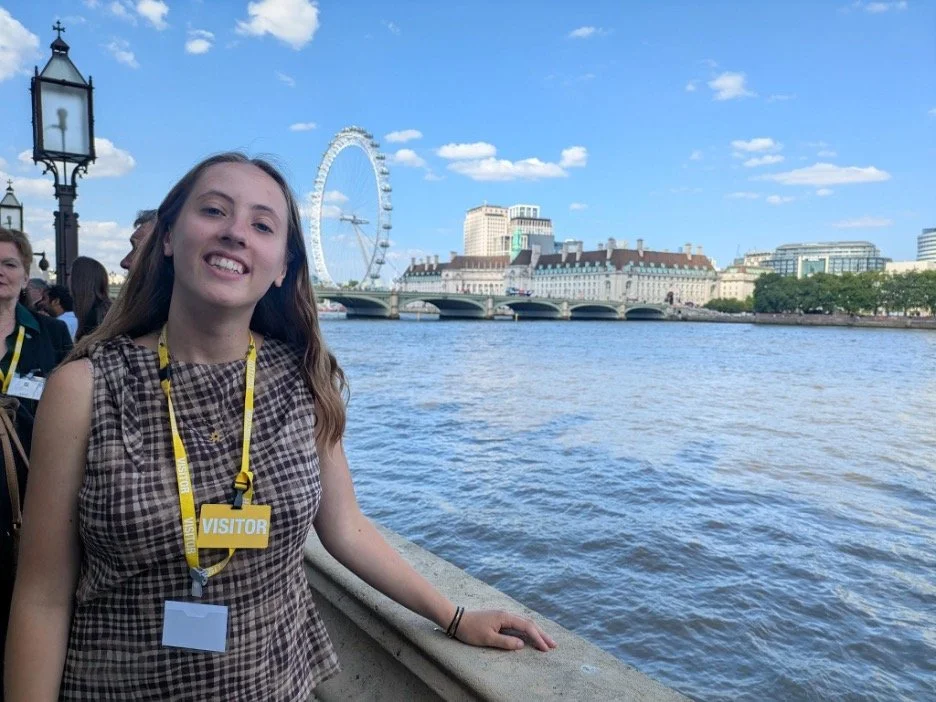
By Melody Craddock
To many people living in the UK, London is either hated or revered. It is characterised as the manifestation and concentration of all kinds of power in the UK.
Burnham's Manchesterism that has been gripping headlines is a prevalent example of the backlash to its wealth and inward self-absorption. Yet, as an English student who studies in Scotland, I know that these sentiments towards London are by no means novel.
London’s image is also mythologised positively across the world, playing iconic roles in books and film. During my internship with Elect Her, I felt strangely nostalgic about London, despite my living there for the first time.
As a child, I avidly watched London-based Harry Potter and Sherlock; my imagination decided that on my way to work I could encounter Voldemort or Moriarty at any turn. I know that my own personal reverie was shared by thousands of tourists I passed every day. But, when I describe London as either hated or revered, in part, I mean that it is feared.
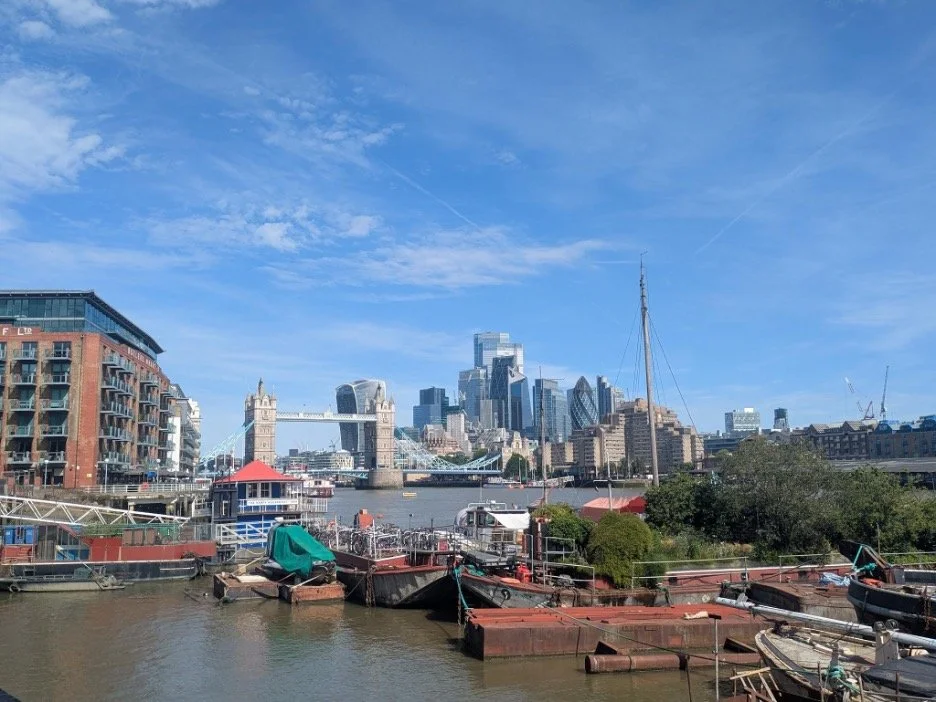
Whilst interning at Elect Her, I have been evaluating first hand whether all the stereotypes and narratives surrounding the city are true.
In retrospect, I believe that many are accurate, and for this reason I can see so clearly how this creates a barrier to politics.
The task that I have enjoyed the most throughout my 3 weeks with Elect Her was to read applications sent in by women who’d applied for small grants via the Fund Her programme. These are women from all kinds of backgrounds, some with caring responsibilities, disabilities, or who are the primary earners at home, and who all advocate for their communities as talented organisers and leaders.
Reading about their political journeys and passions in their communities across the UK, while sitting in the centre of London surrounded by skyscrapers, was a stark reminder of who has and does not have access to this political and economic capital.
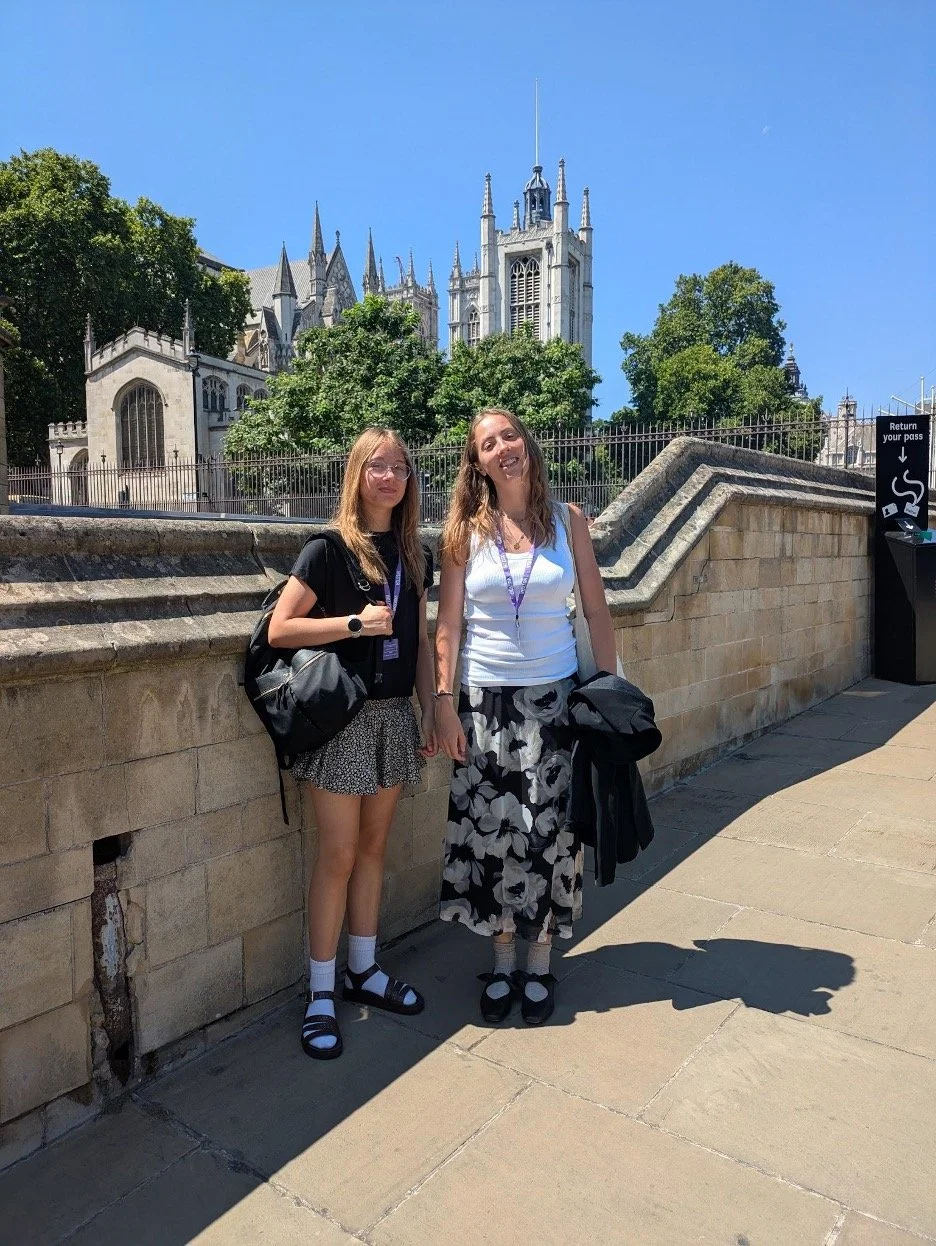
Throughout the internship, I found myself reminding younger interns (born-and-raised Londoners) that this is not what the UK looks like…
…I’d never seen so many people dressed in the same way, a daily migration of black trousers and blue shirts that seemed to me like a language I don’t know how to speak.
The cues of social, cultural, and economic capital are both intangible, yet immediately recognised.
I think about the grantees and other women participating in Elect Her’s programmes. Overwhelmingly, women have written that they got into politics because of their lived experiences, desire to help the vulnerable in their communities, and their history of organising. Yet, the cost of campaigning, hostile political climate where abuse is disproportionately directed at women, and the lack of knowledge regarding campaigning processes continues to disadvantage women, whose belonging to marginalised groups brings about layers of structural inequality.
However, my experience working in London has shown me that there are mental as well as structural barriers to political office that inevitably involves coming to Westminster or working in the City. The imposter syndrome, London’s size and unfriendly reputation, drone-like commuters, and fast-paced way of life made me wonder whether these factors also become barriers of access.
Belonging and fear are powerful emotions, neither of which should be overlooked when discussing why we have a male-dominated politics in the UK.
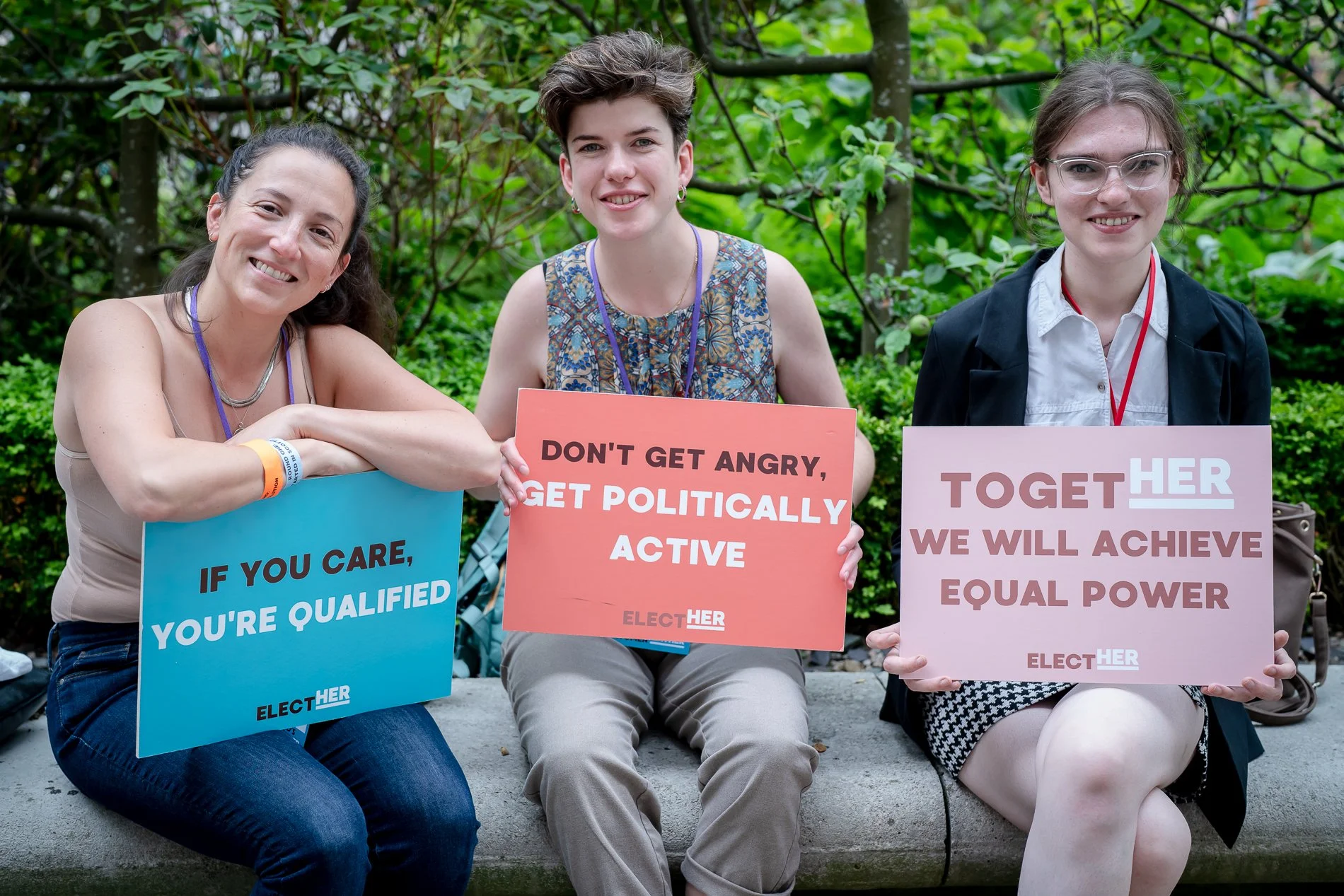
Entering this world has been intimidating, particularly as everything is so normalised by those within it. For many women, money and education can get them through the door, but the love and care from Elect Her’s programmes gives women the confidence to stay.
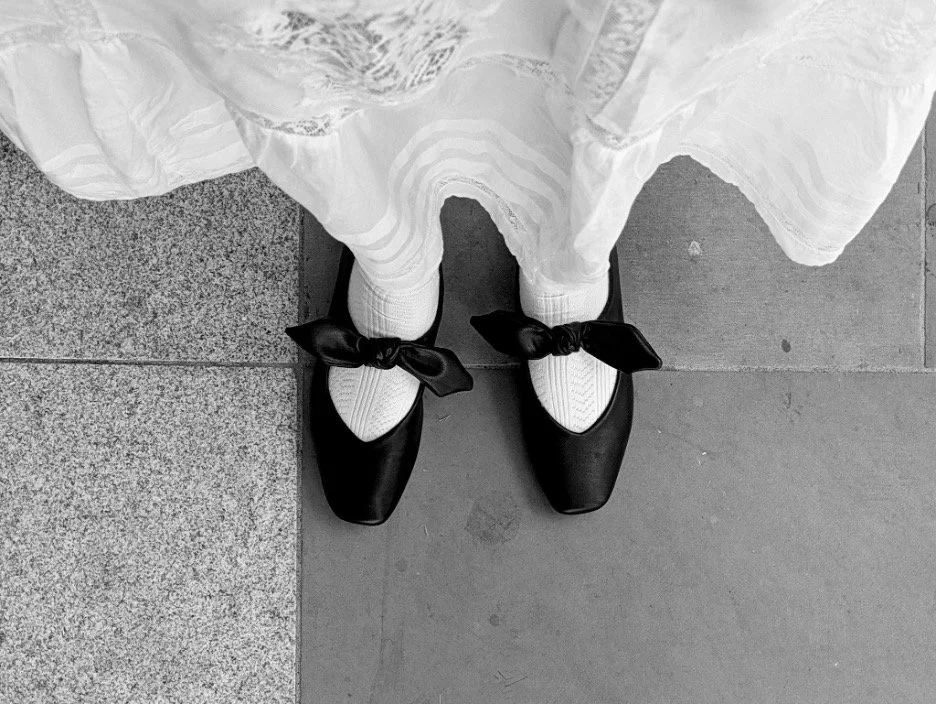
A grant is not just funding for shoes and childcare, it is a non-profit telling a woman in the clearest of terms that she is worth investment.
Throughout my time in London, I have realised the emotional and psychological importance of such investment. Just as I have valued the positive feedback of my colleagues to calm my nerves in such a big city, hundreds and thousands of women around the country have benefited from emotional support that Elect Her provides.
I'd urge us all to remember this, as kindness and empathy in politics is, whilst not an antidote to existing structural barriers, a very real political tool for the empowerment of marginalised groups.
And it has been a privilege to witness how Elect Her wields this with such grace.
Donate today to build women up and improve our politics!
Blog idea or comment piece?
Would you like to contribute to this blog series? We’d love to hear from you. Send us your ideas and let’s chat: community@elect-her.org.uk