
From Evidence to Action: Strengthening Dignity and Respect in the Senedd
By Elect Her
Last year Elect Her contributed evidence to the Welsh Parliament’s Standards of Conduct Committee inquiry into dignity and respect in the Senedd.
Our involvement included both a written submission to the Committee’s consultation and oral evidence from Hannah Stevens, our CEO.
The Committee has now published its report, outlining a series of recommendations to strengthen the complaints process and improve workplace culture within the Senedd.
For us, this work is about more than institutional procedure. It is about ensuring that politics is a safe, respectful and accessible space for everyone who works in it — and for everyone who wants to participate in it.
“…women have to come in and put a thick coat on to protect
themselves from all of the small pieces that come at them
each day”
Why This Matters
At Elect Her, our work focuses on removing the structural and cultural barriers that prevent women, particularly those facing intersecting discrimination, from entering, remaining and thriving in political life.
Workplace culture, harassment and online abuse remain some of the most significant barriers to political participation. When political institutions do not effectively address these issues, they risk excluding the very voices democracy needs.
That’s why strong standards frameworks matter. They are not simply about rules — they are about trust, safety and participation in public life.
Hannah’s Evidence: The Reality of Political Culture
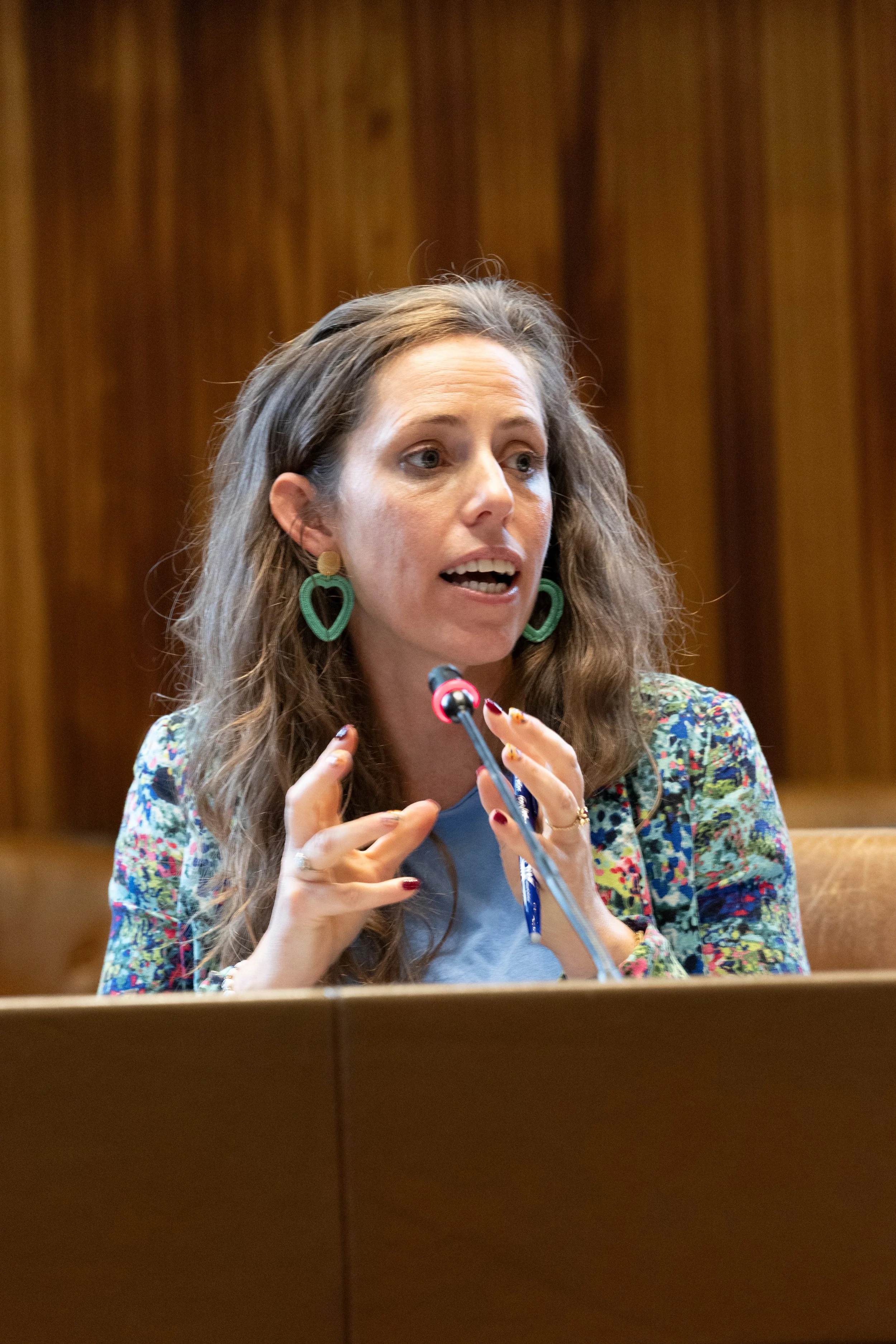
Hannah gave oral evidence to the Committee about the lived realities of working in politics and the cultural barriers that many people, particularly women, experience.
As Hannah told the Committee:
“…the toxic culture that the working environment presents and a need to examine how we can challenge that, and how we can determine what respect and positive culture really looks at without just focusing on one or two documentations that we want to get the language right.
Actually, how do you embed that across the whole institution and in all of the daily interactions that the staff and the Members are engaging in
And it is such a good step that the Committee’s report reflects these concerns, recognising that improving workplace culture must sit alongside improvements to formal complaints processes.
Our Evidence to the Committee
In our written submission, we welcomed the Committee’s ambition to modernise the Code of Conduct and strengthen accountability.
But we also emphasised that standards are only meaningful when they are supported by independent and trusted complaints processes.
Our response focused on three key areas.
Tackling Online Abuse
Online abuse is one of the most significant barriers to political participation, particularly for women and marginalised groups.
We supported proposals clarifying that Members are responsible for content published in their name, including content posted by staff acting on their behalf. Clear accountability in digital spaces is essential if we want politics to be accessible to everyone.
2. Members as Responsible Employers
We welcomed proposals recognising Members’ responsibilities as employers.
Political offices are workplaces. Staff deserve the same protections, standards and expectations that apply in any other professional environment.
We encouraged the Committee to strengthen training expectations around dignity, respect and harassment — particularly recognising the role power dynamics play in political workplaces.
3. Protecting the Right to Speak Up
We strongly supported proposals preventing Members from discouraging complainants or witnesses from coming forward.
Fear of informal pressure or reputational consequences can be one of the biggest barriers to reporting misconduct. Strengthening protections in this area is essential for building trust in the complaints system.

What the Committee Recommends
The report proposes a number of reforms designed to strengthen confidence in the Senedd’s standards framework.
Some of the most important recommendations include:
A new “Guardian” role
A semi-independent advisor who can provide confidential support and guidance to people considering raising concerns.Improved reporting routes
Including the potential for anonymous reporting and a confidential helpline.Greater use of specialist expertise
Particularly in complaints involving bullying, harassment or power dynamics.Stronger protections for complainants
Including clearer rules preventing Members from discouraging people from reporting concerns.
Together, these recommendations aim to create a system that people can trust, one that supports those who come forward and ensures accountability where standards are breached.
Culture Change Is the Real Goal
Policies and procedures are important, but real progress depends on cultural change.
Political institutions must model the values they want to see across society:
dignity,
respect and
accountability.
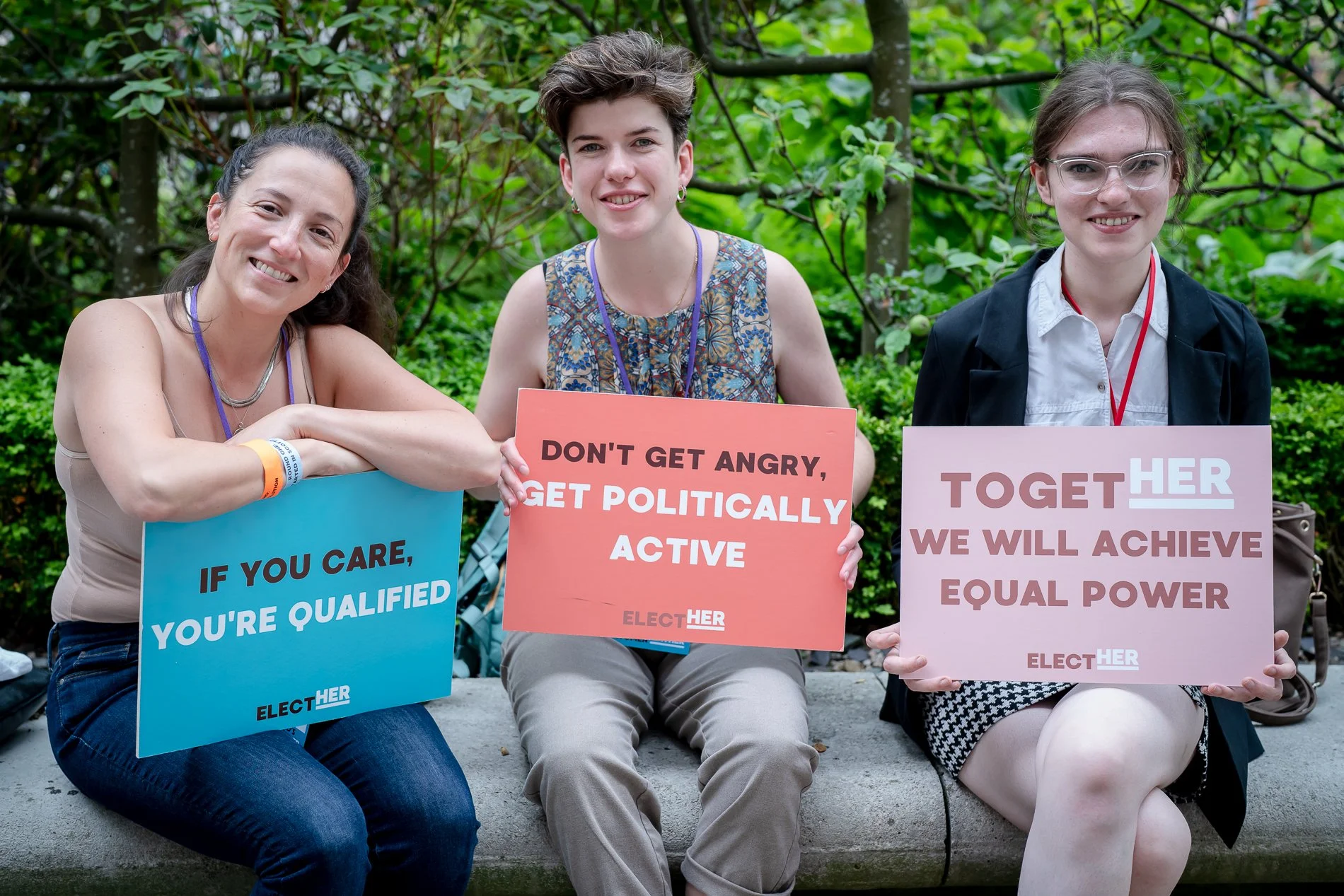
For Elect Her, this work is ultimately about opening up politics.
When political spaces are safe, inclusive and respectful, more people, especially women and those from marginalised communities, can see themselves in leadership and feel confident stepping forward.
That benefits not only individuals, but democracy itself.
Looking Ahead
Many of the Committee’s recommendations will be considered by the next Senedd following the 2026 election.
We really welcome the Committee’s work and are proud that we have contributed evidence, it’s an important process.
Strengthening dignity and respect within political institutions is not just about improving internal systems — it is about building a democracy where everyone can participate, lead and thrive.
Donate today to build women up and improve our politics!
Blog idea or comment piece?
Would you like to contribute to this blog series? We’d love to hear from you. Send us your ideas and let’s chat: community@elect-her.org.uk.